
Roots And Wings Part 1
The Children’s Garden- You Have Given Them Roots. Now Let Them Fly.
Why growing independence supported by connection, guidance, and meaningful responsibility matters from early childhood through the teen years
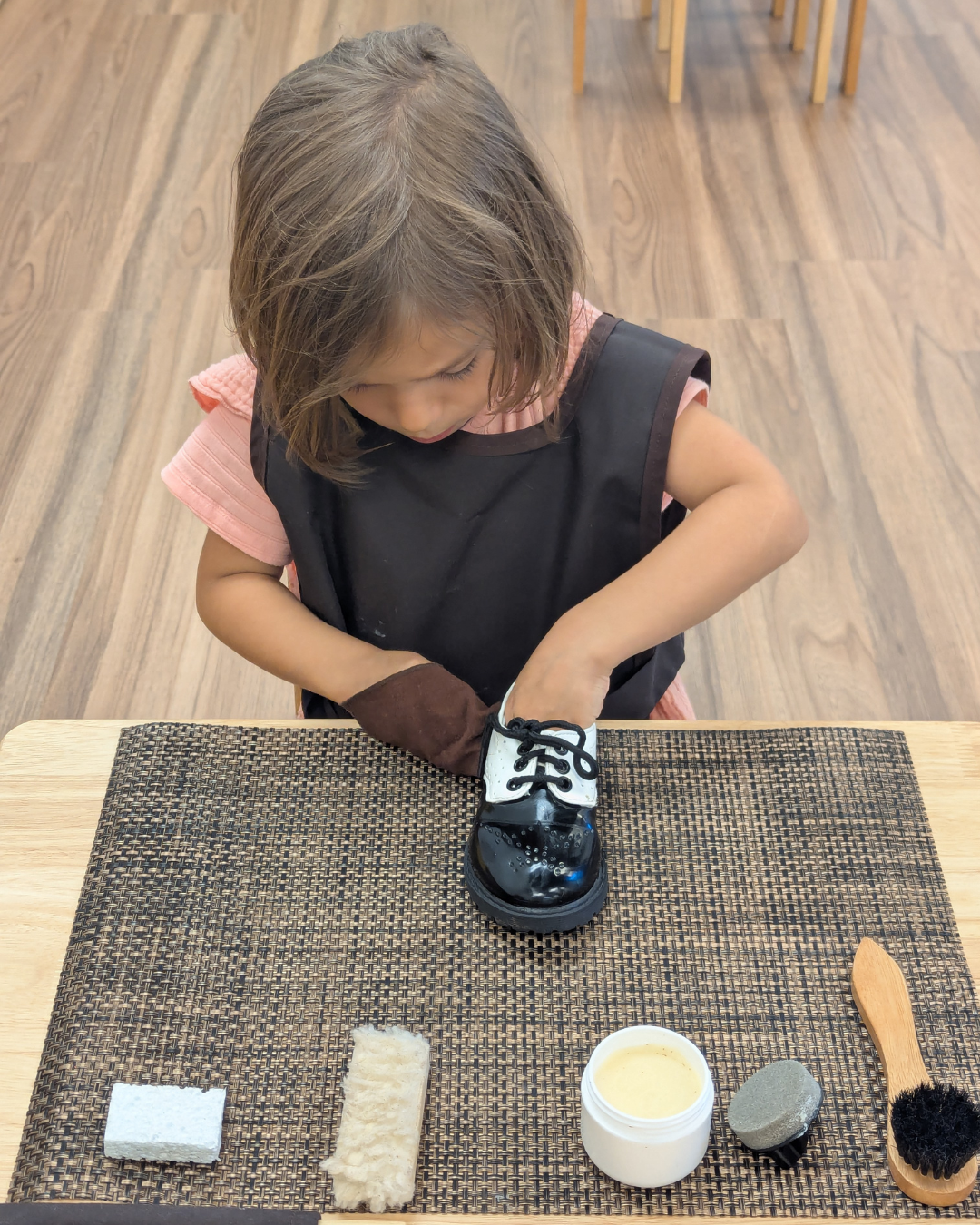
Wings are not handed to children all at once. They are built through practice.
There is a particular kind of courage required of parents as children grow.
At first, it may look small: allowing a three-year-old to fasten a button slowly, carry a glass of water carefully, choose their own work, or clean up a spill rather than rushing in to do it for them.
Later, it becomes more complicated. It may mean allowing an elementary-aged child to wrestle with a challenging problem, take responsibility for forgotten materials, navigate a friendship conflict with support rather than rescue, or contribute to real work that matters to others.
By adolescence, letting go can feel even more significant. It can mean trusting a teenager with meaningful choices, real responsibilities, opportunities to plan, contribute, problem-solve, and learn from the natural consequences of their decisions.
This is not about stepping away from our childrenI; it is about staying connected while gradually making room for them to become who they are capable of becoming.
At The Mosaic Field School, we believe that independence is not something children suddenly acquire at age 18. It is built over time: through small choices, repeated practice, meaningful work, safe challenges, and the steady presence of adults who know when to help and when to step back.
You have given them roots. Now, little by little, let them fly.
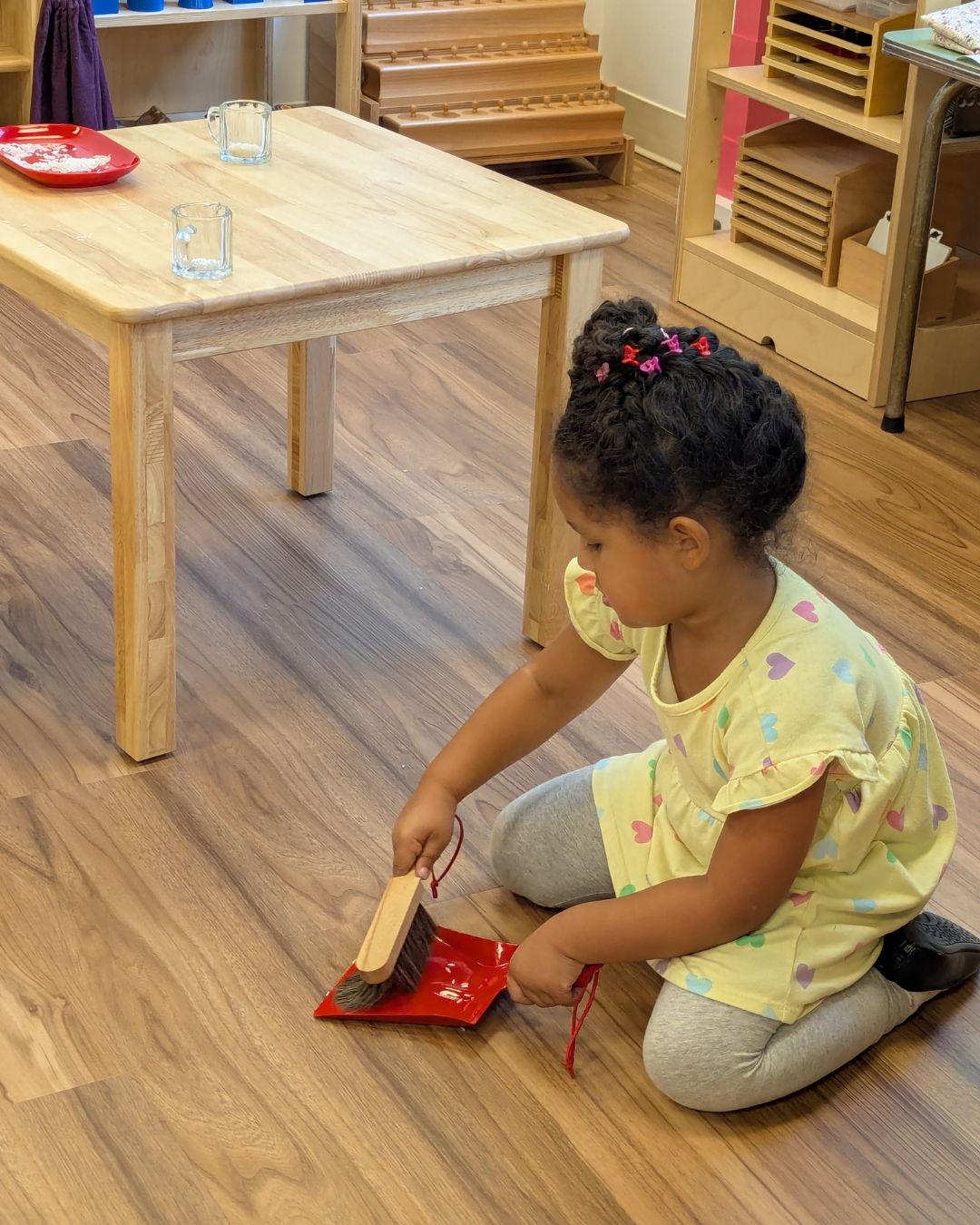
Independence does not begin when a child is “old enough.” It begins when a trusted adult makes room for them to try.
Independence is not “doing it alone”
When parents hear the word independence, they may imagine children being expected to figure everything out by themselves. That is not what healthy independence means.
Healthy independence develops inside strong relationships.
Children and teens need adults who provide safety, clear expectations, encouragement, appropriate limits, and opportunities to practice. They need to know that someone is nearby when a task feels difficult, that mistakes are part of learning, and that asking for help is a strength, not a failure.
Research in self-determination theory identifies autonomy, competence, and relatedness as core psychological needs. In simple terms, young people tend to thrive when they experience meaningful choice and agency, when they believe they can grow capable through effort and practice, and when they feel connected to people who care about them.
Autonomy-supportive guidance does not mean removing structure. It means offering choices within appropriate boundaries, listening to a child’s perspective, explaining the reasons behind expectations, and encouraging them to take an active role in their own learning and life. Research has linked supportive autonomy practices with positive academic and psychological development, while overly controlling patterns can undermine both well-being and academic adjustment over time.
At Mosaic, we think of independence as a gradual transfer of responsibility:
“I’ll do it for you” becomes “Let’s do it together.”
“Let’s do it together” becomes “I’ll watch while you try.”
“I’ll watch while you try” becomes “I trust you to do this.”
That progression is not always quick, tidy, or comfortable. But it is how capability grows.
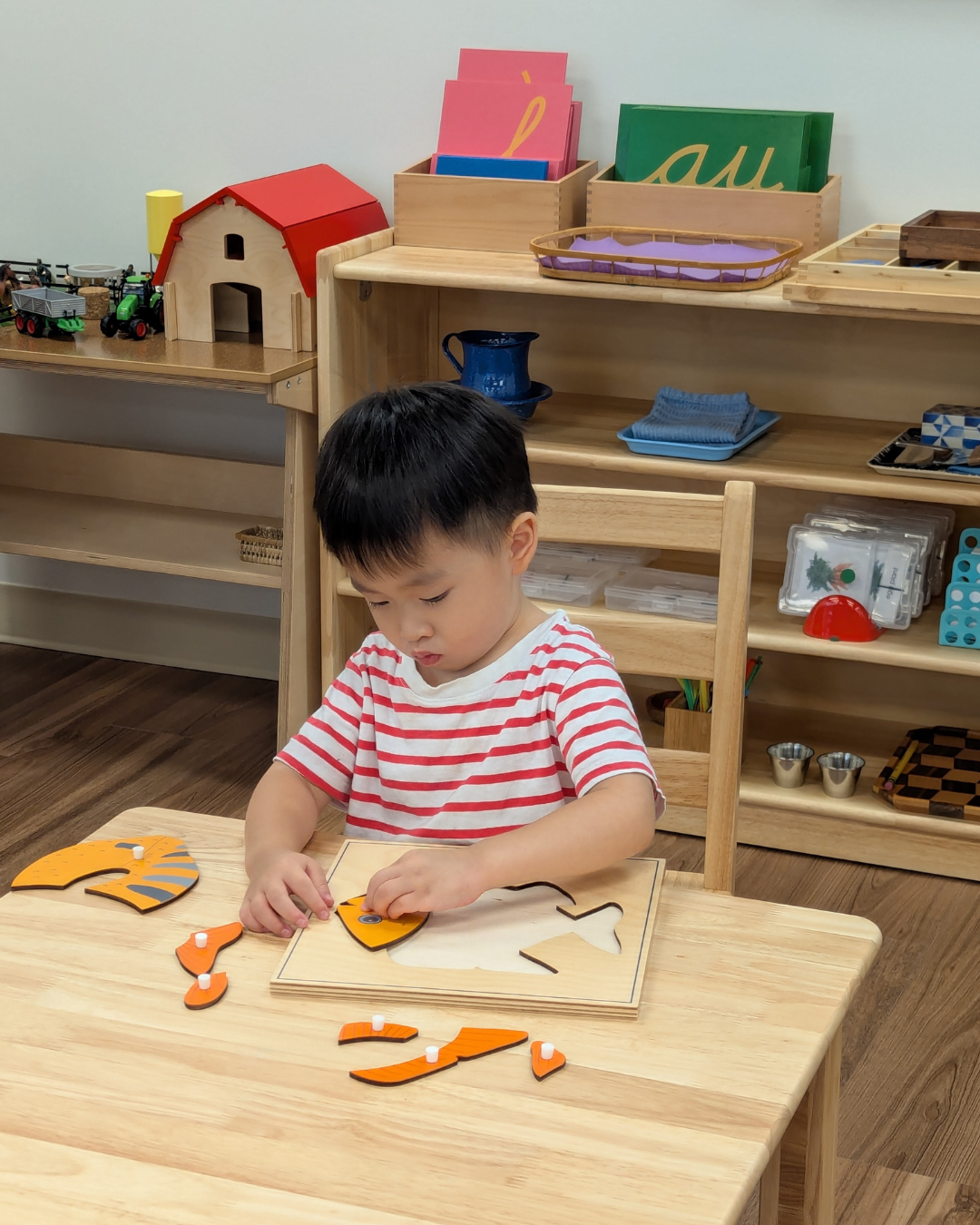
In The Children’s Garden: “Help me do it myself”
For children in The Children’s Garden, our primary program (primary is the Montessori program for children ages 3-6), independence begins with the everyday work of childhood.
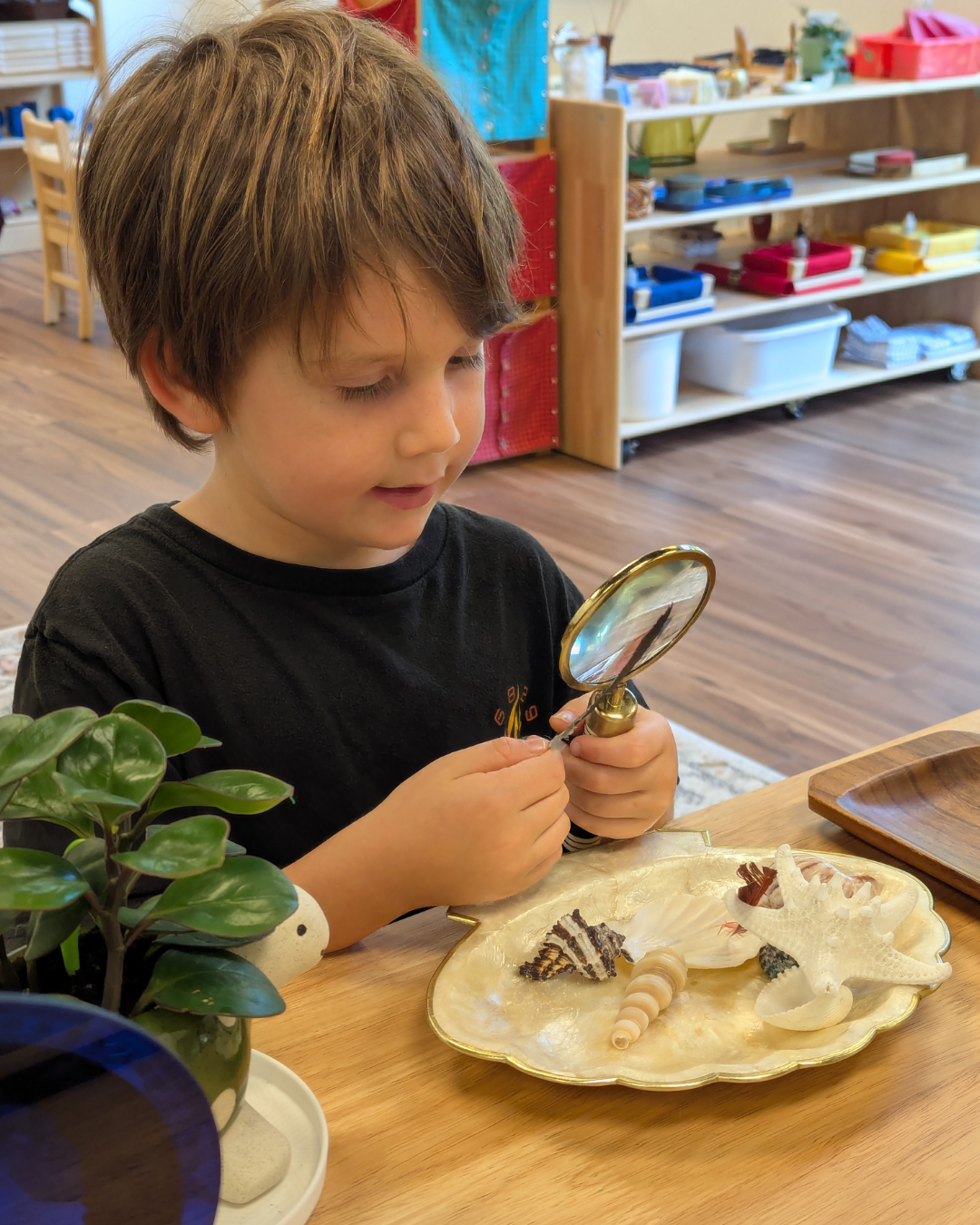
A child pours their own water. They put on their coat. They prepare a snack, care for a plant, roll up a work mat, return materials to their place, or offer help to a younger friend. These are part of the learning rather than “extras” that happen after the learning is complete.
When young children are given meaningful work that matches their developing abilities, they begin to experience themselves as capable. They learn to focus, coordinate their movements, persist through small frustrations, care for their environment, and take pride in contributing to the community.
The adult’s role is not to make every task effortless. It is to prepare an environment where success is possible, demonstrate carefully, offer help when needed, and allow enough time for a child to practice.
Research with preschool-aged children has found associations between autonomy-supportive parent behavior and children’s display of autonomy. Supportive guidance and responsiveness matter; so does resisting the urge to control every detail of a child’s play or problem-solving.
In The Children’s Garden, children are not asked to grow up too quickly. They are invited to practice the small, joyful acts of independence that help them say:
“I can try.”
“I can help.”
“I can do this.”
Those beliefs become roots.
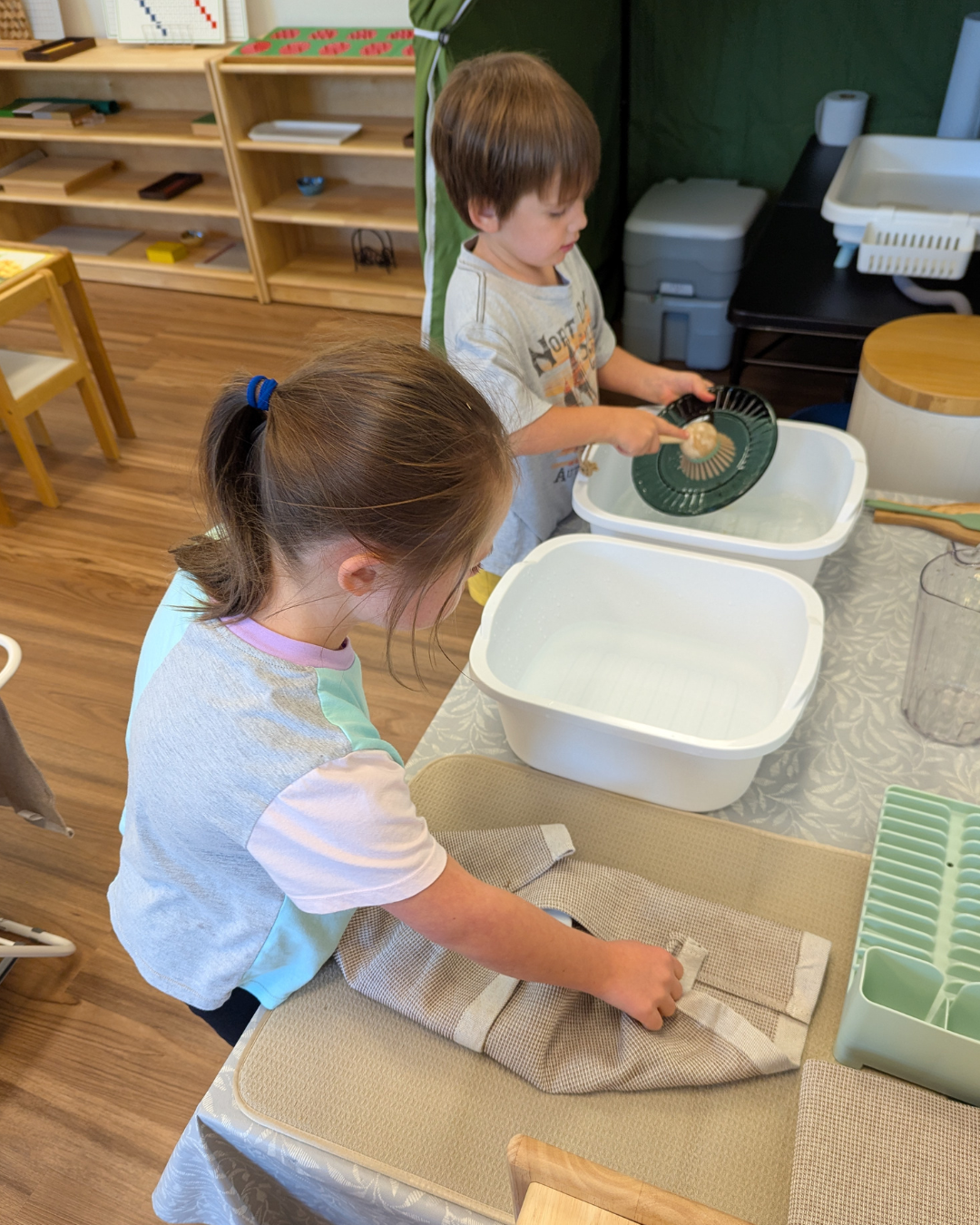
The goal is not to make childhood more difficult. It is to give children the dignity of discovering what they can do.
The courage to let early childhood be real
For a young child, independence rarely looks efficient.
Packing lunch together may take longer than doing it for them. Carrying a lunch basket may require careful hands and a slower pace. Sitting through a family meal or restaurant visit without an electronic device may mean helping a child participate in conversation, notice their surroundings, wait, color, listen, and learn the social rhythms of being with other people.
That can take patience. It can also take courage. In a world that often offers adults quick ways to avoid a child’s discomfort or boredom, choosing to stay present sends a different message:
“I trust you can be here.”
“I trust you can wait.”
“I trust you can participate.”
“I will help you learn how.”
This is not about expecting perfect behavior from young children. It is about treating everyday life as a place where children can practice belonging, patience, communication, and self-control one small experience at a time.
At Mosaic, practical life is part of the Montessori foundation because care for self, others, and the environment gives children repeated opportunities to build concentration, coordination, confidence, and responsibility. The Children’s Garden serves ages 3–6 in a prepared environment rooted in order, beauty, purposeful work, and nature.
The goal is not simply to prepare a child for what comes next.
It is to help them feel capable and secure right now.
You have given them roots. Let them begin to fly.
Roots before wings
Children need roots before they can fly.
They need safety, love, predictable routines, kind guidance, and adults who see them clearly. From that secure foundation, they can begin to take healthy risks: pouring the water, trying the zipper, carrying the tray, choosing the work, and recovering from a mistake.
At Mosaic, we believe early childhood should be honored, not rushed. Our Children’s Garden provides a prepared Montessori environment where children can build independence, concentration, social confidence, foundational academic understanding, and joy through purposeful work and connection to nature.
The goal is not simply to prepare a child for what comes next.
It is to help them feel capable and secure right now.
You have given them roots. Let them begin to fly.
Life is joyful. And we are education for life.
Next in the Roots and Wings series: How independence grows as elementary children move from “Help me do it” toward “Help me think for myself.”