
How Montessori Outdoor Learning Meets the Needs of Today’s Children in Suwanee, GA
Today’s children are growing up in a world of constant noise such as notifications, screens, rushed schedules, and rising expectations. Many families in Suwanee, GA and the surrounding Gwinnett County area sense that something essential is missing from traditional classrooms: time to move, space to explore, meaningful work, and a real connection to the natural world.
At The Mosaic Field School, a Montessori field school in Suwanee, GA, Montessori outdoor learning answers that need. By combining Montessori principles with nature-based education and field-school experiences, children receive an education that is not only academically strong but also nurturing to the whole child. They are invited to learn with their whole bodies, hearts, and minds in real places, doing real work, alongside a caring community.
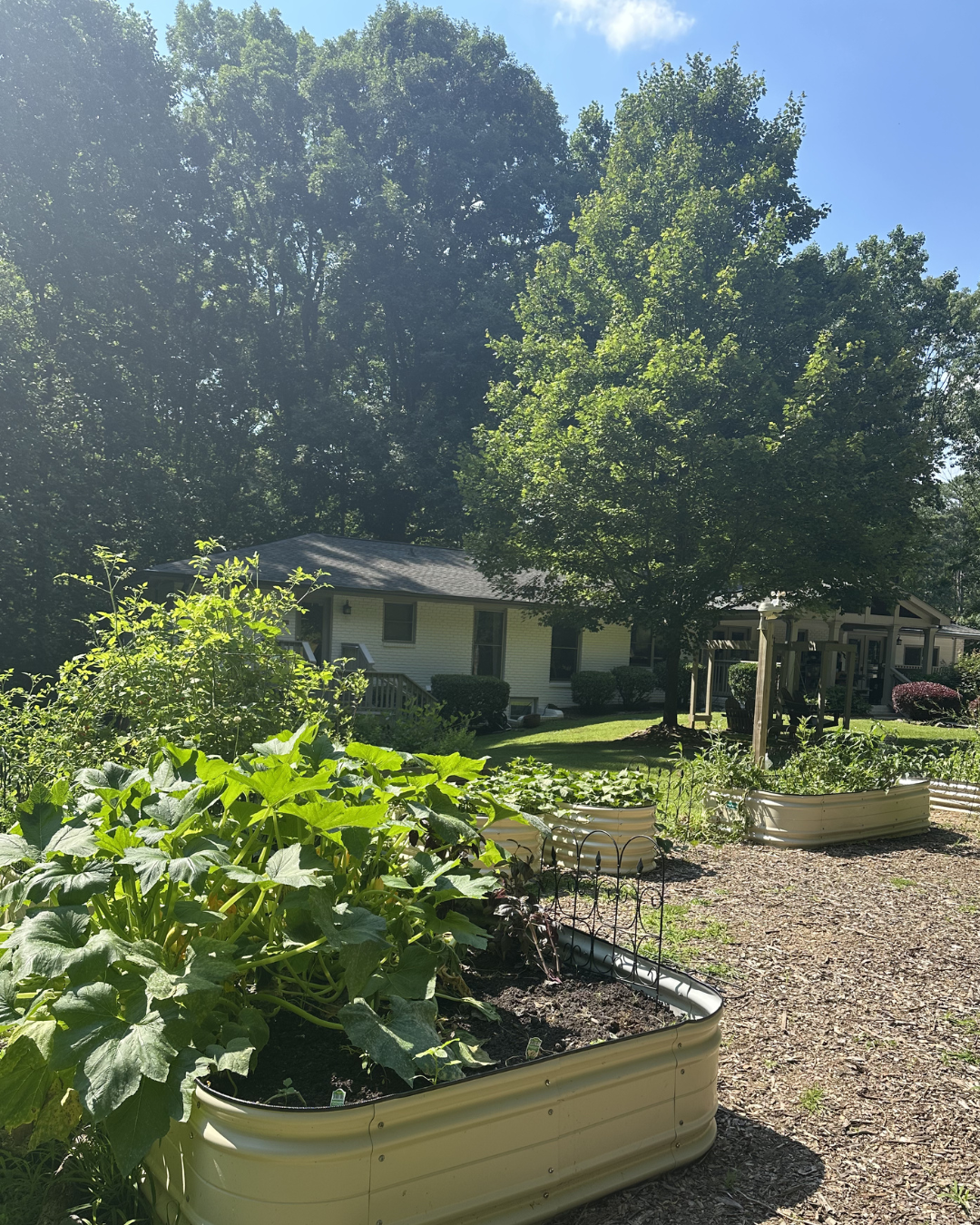
The children at The Mosaic Field School in Gwinnett County, Georgia care for a beautiful garden and enjoy the farm-to-table goodies it provides.
Children Need Movement, Not Just Seats
Modern childhood often asks children to sit still far longer than they are developmentally ready for. Long stretches at desks, limited recess, and pressure to “perform” can leave many students restless, anxious, or disengaged.
In our Montessori outdoor learning environment in Suwanee, movement isn’t a distraction; it is part of the design of learning. Children walk the paths, climb, carry, balance, dig, and explore as they work:
A child learns about weight and force while hauling water to a garden bed.
A student strengthens spatial awareness while navigating a wooded trail or outdoor obstacle.
Younger children refine coordination by pouring, sweeping, raking, and transferring materials with child-sized tools.
This kind of purposeful movement supports motor development, core strength, and focus. It makes it easier for children to return to quieter academic work with calmer bodies and more ready minds, which is something that benefits both students and teachers in every classroom.

The Mosaic Field School’s primary program is lovingly entitled “The Children’s Garden.” This program, housed at our Suwanee Station campus, is designed for children ages 3-6.
Children Need Real, Meaningful Work
Many of today’s children can sense when the tasks in front of them are “busywork.” They are hungry for challenges that feel real, meaning work that matters to someone beyond a grade book or a test.
At The Mosaic Field School, Montessori outdoor learning offers exactly that. Instead of only reading about nature or filling out worksheets, children participate in authentic, hands-on projects on our campus and in the broader Suwanee community:
Caring for gardens from seed to harvest, seeing the results of consistent effort.
Participating in conservation, clean-up, or restoration projects that support local ecosystems.
Collecting data and observing changes over time, contributing to a larger understanding of the natural world.
This kind of work meets a deep developmental need, especially in the elementary and adolescent years. Children want to know: “Does what I’m doing matter?” When they see that their actions make a visible difference—to plants, to places, to people—they can answer that question with a confident yes.
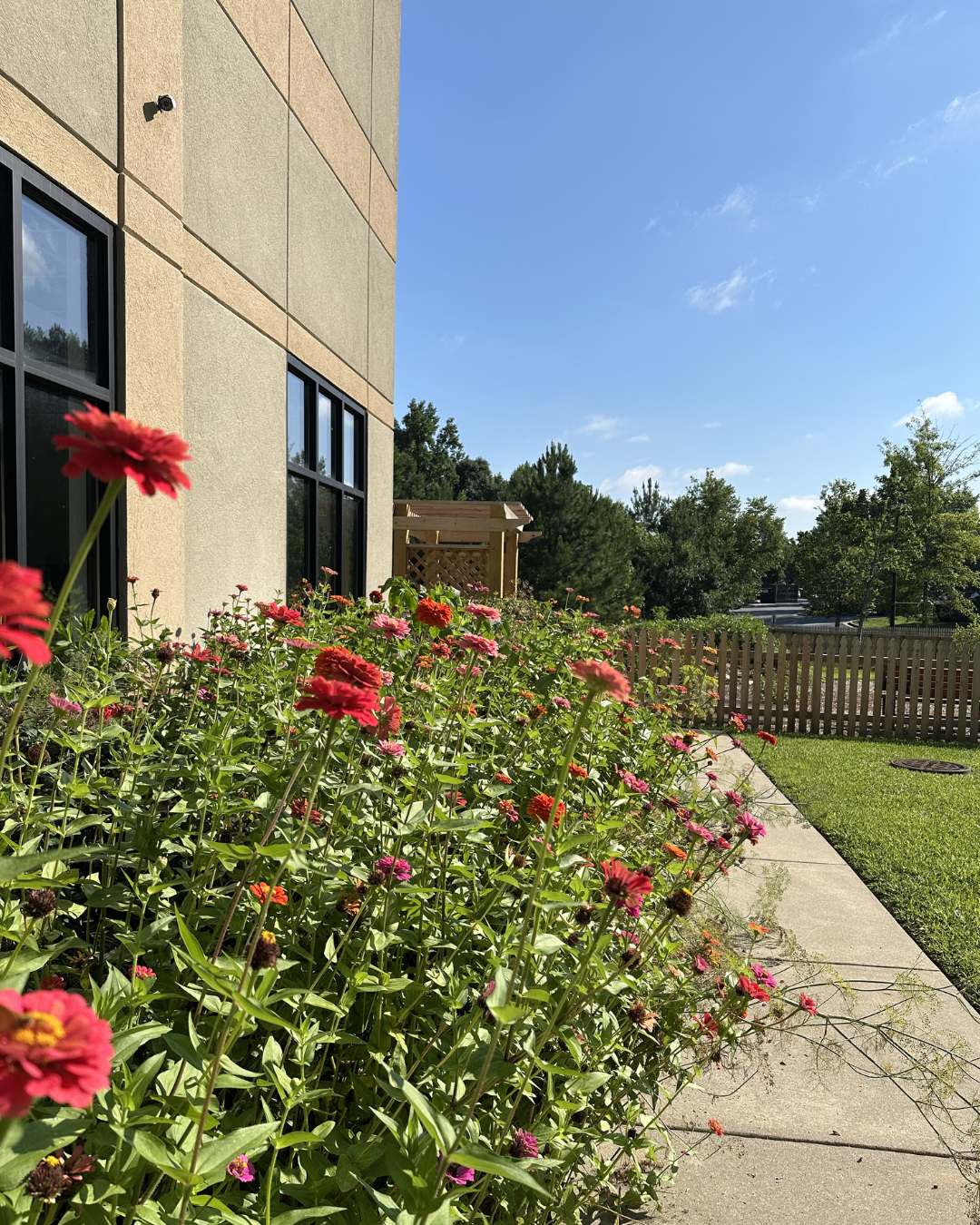
The Children’s Garden and Elementary programs at The Mosaic Field School are hosted at the Suwanee Station campus. These program offer Montessori education for preschool and elementary aged children.
Children Need Time in Nature to Regulate and Restore
Today’s children are often overstimulated by screens, noise, and rapid transitions. Nature offers a powerful counterbalance: quiet, texture, rhythm, and beauty that help nervous systems settle and attention reset.
At our nature-based school in Suwanee, GA, time in nature is not a reward for finishing work; it is the work:
Young children ground themselves by feeling the weight of stones, the texture of bark, the sensation of mud and water.
Older students find perspective in wide-open spaces, big skies, and the steady patterns of seasons and weather across our local trails and green spaces.
All ages benefit from opportunities to pause, breathe, notice, and experience moments of silence outdoors.
These experiences support emotional regulation, resilience, and mental health. Over time, children learn simple, embodied ways to calm themselves. These are skills they can carry into every classroom, every relationship and every new challenge.
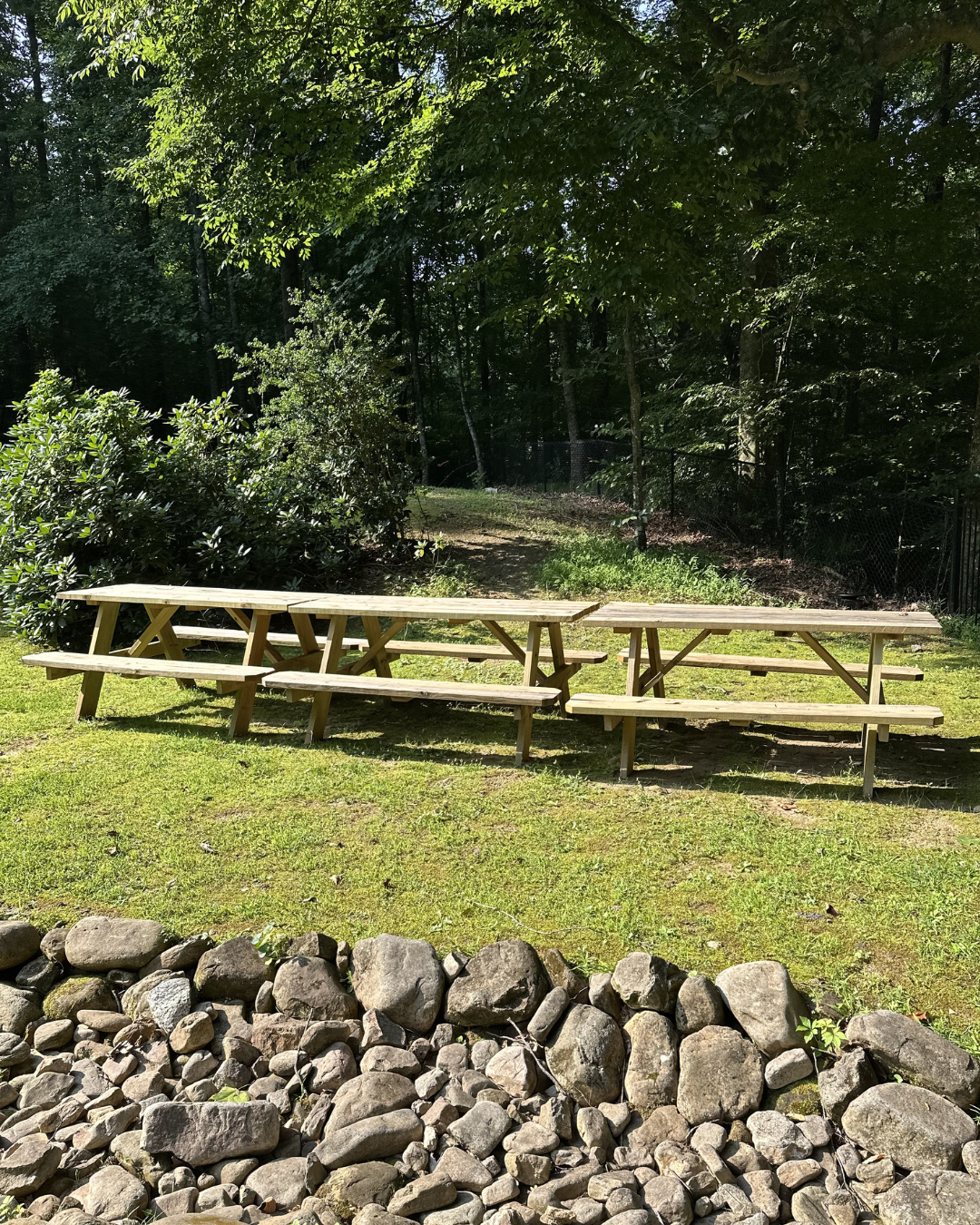
The middle and high school-aged teens at The Mosaic Field School enjoy an outdoor eating space. The outdoors and nature are part of their classroom on the beautiful, wooded campus in Suwanee, Georgia.
Children Need Freedom Within Structure
The world our children are stepping into requires both independence and responsibility. They need to be able to think for themselves and to work well with others, to take initiative and to honor boundaries.
The Montessori approach at The Mosaic Field School has long offered a balance called “freedom within limits.” Outdoors on our Suwanee campus and during field days, that balance comes alive in practical ways:
Children choose from real, purposeful activities such as gardening, observing, building, recording data, exploring—with clear expectations for safety and respect.
Older students help create routines and norms for shared outdoor spaces and trips, learning how to lead and how to follow.
Guides and teachers act as facilitators, not just lecturers, supporting children as they make choices and experience natural consequences.
This combination of autonomy and structure prepares children for a world where they will need to manage their own time, make thoughtful decisions, and collaborate across ages and backgrounds. It also helps them build a healthy sense of self-discipline and internal motivation.
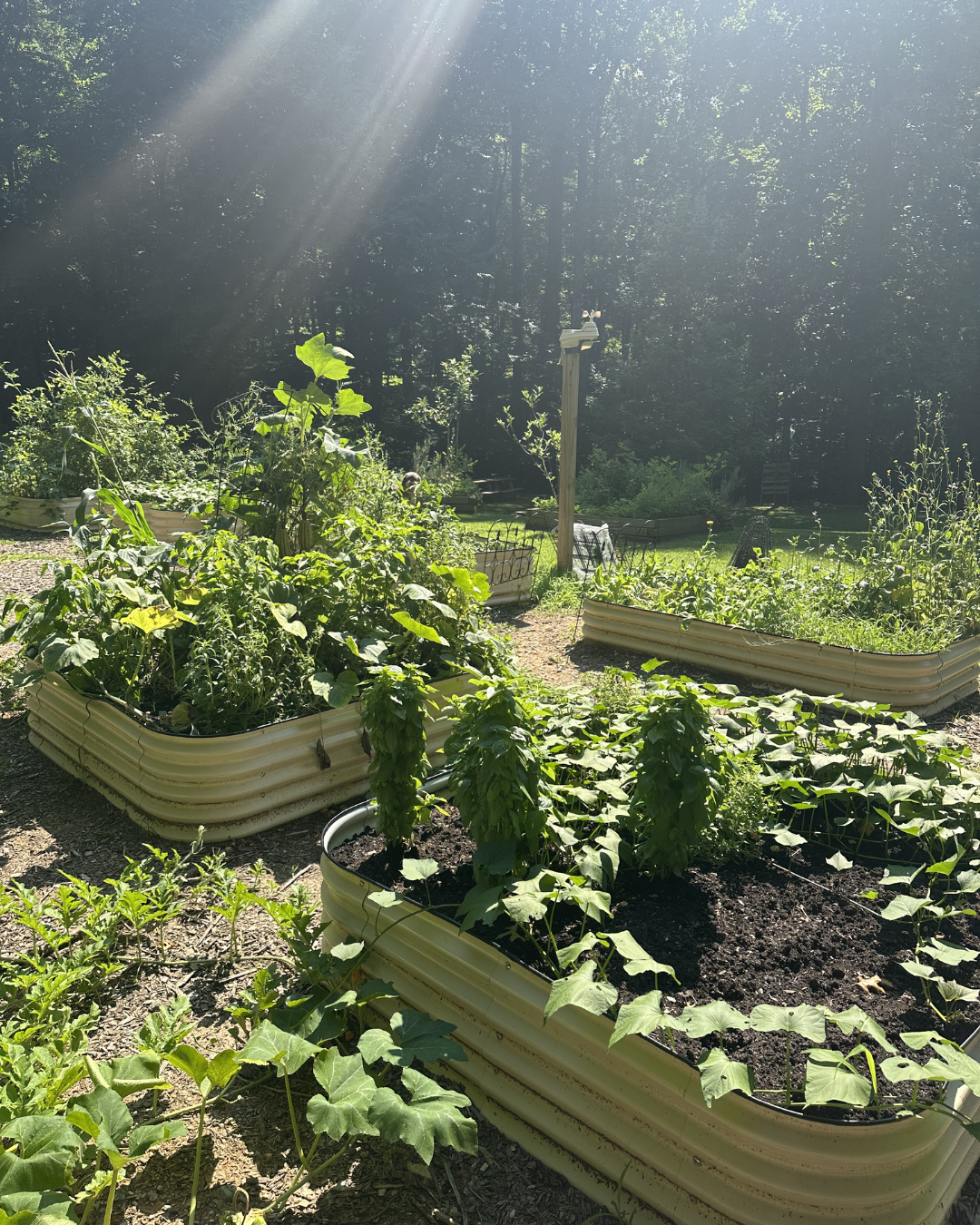
“Children choose from real, purposeful activities such as gardening, observing, building, recording data, exploring—with clear expectations for safety and respect.”
Children Need Connection: To Themselves, Others, and the Earth
Amid busy calendars and digital communication, many children are quietly lonely. They need real relationships, face-to-face conversations, and shared experiences that build trust and belonging.
Outdoor, Montessori learning at The Mosaic Field School naturally weaves connection into every day:
Connection to self: Through movement, reflection, and hands-on work, children discover what they enjoy, what challenges them, and what they are capable of.
Connection to others: Mixed-age groups work together on projects, share responsibilities, and solve problems. They learn to listen, support, and celebrate one another as a community.
Connection to the Earth: By spending regular, consistent time in the same outdoor places in and around north Gwinnett County, children develop affection for the land and a sense of responsibility to care for it.
These connections counter the isolation many young people feel. They help children understand that they are part of something larger (family, community, ecosystem, and story) and that their presence matters.
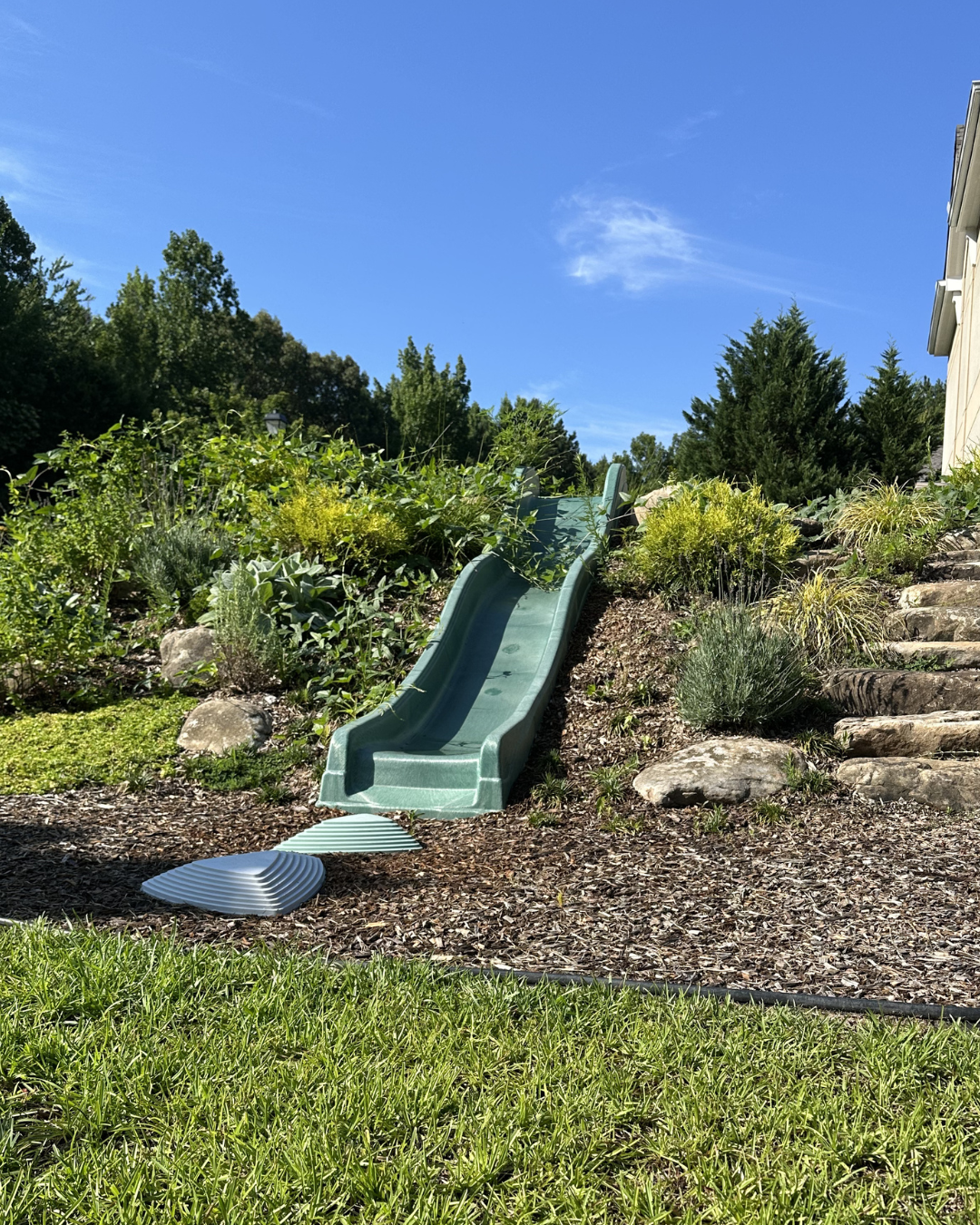
The natural play space at the Suwanee Station campus invites children to connect, explore, and imagine with their friends.
Children Need Education That Extends Beyond Four Walls
The problems today’s children will face as adults, such as environmental challenges, complex social questions, rapid technological change, will not be solved by memorizing facts alone. They will require creativity, groundedness, collaboration, and a willingness to keep learning from the world as it really is.
At The Mosaic Field School in northeast Georgia, Montessori outdoor learning prepares children for that future by treating the world as the classroom. Lessons do not end at the edge of a worksheet; they continue into gardens, forests, streams, and communities. Children learn how to:
Ask meaningful questions and seek answers through observation, research, experiment, and reflection.
Work with others to respond to real needs and challenges in their environment.
See themselves as capable contributors, not just passive recipients of information.
In a time when many young people feel disconnected and overwhelmed, this kind of education offers hope. It tells children, in practice and not just in theory: you belong here, you are needed, and you are capable of real work in the real world.
“In a time when many young people feel disconnected and overwhelmed, this kind of education offers hope. It tells children, in practice and not just in theory: you belong here, you are needed, and you are capable of real work in the real world.”
About The Mosaic Field School
The Mosaic Field School (TMFS) is a Montessori, outdoor field school located in Suwanee, GA, serving preschool, elementary, and adolescent students in the greater Gwinnett County and north metro Atlanta area. Our program blends Montessori education, nature-based learning, and field-school experiences to support the whole child—academically, socially, emotionally, and spiritually.
As one of only a small number of AMI-recognized adolescent programs worldwide, our Adolescent Community offers middle and high school students meaningful work, real-world problem solving, and experiences that extend far beyond the traditional classroom. From local field studies in Suwanee to expeditions like our Florida Keys trip, we treat the world as the classroom—and keep the doors wide open.