

Mosaic Bridges Program
A Purposeful Transition From Childhood To Adolescence
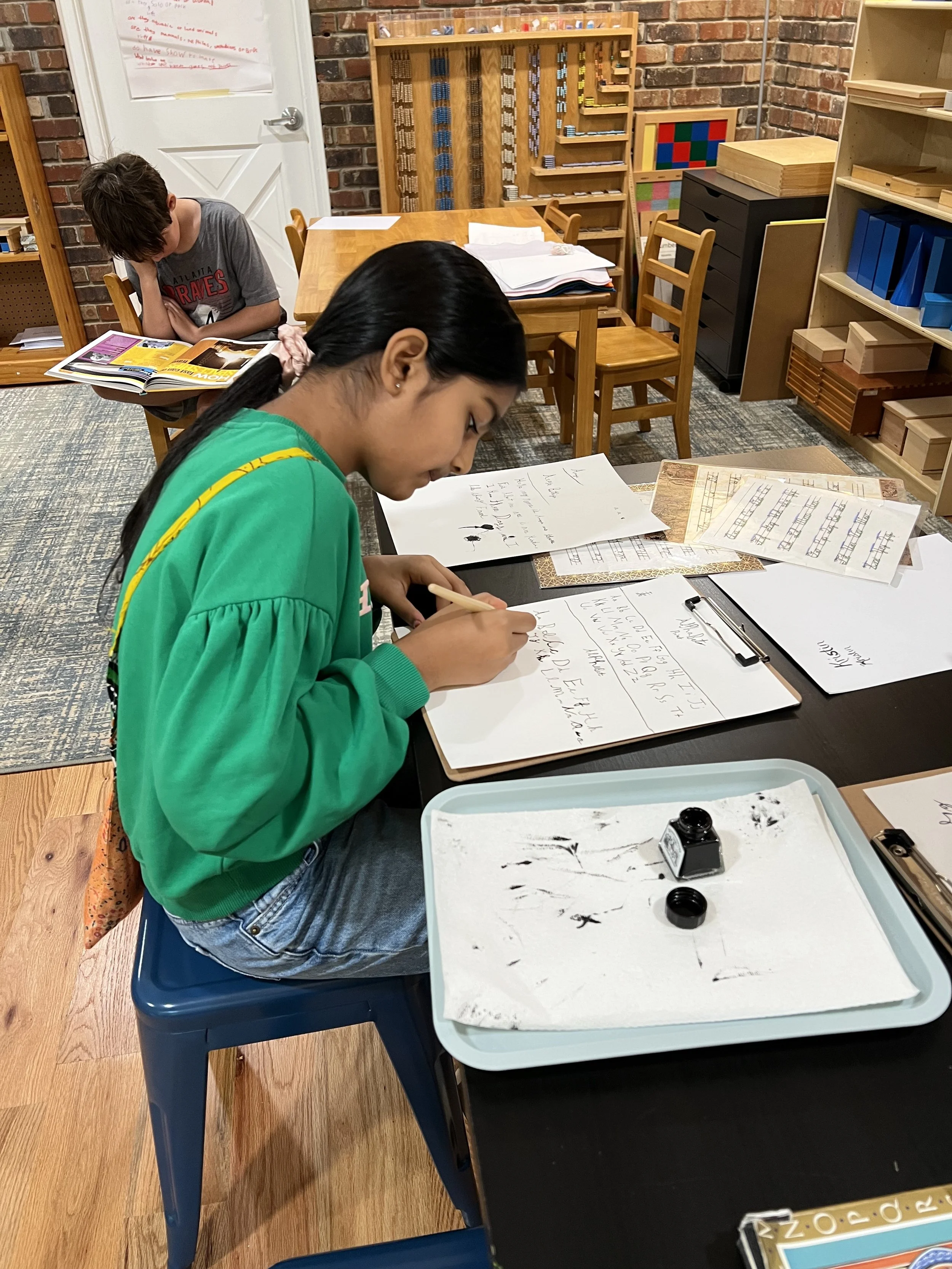
Grounded in Montessori principles and in relationship with the natural world, Bridges honors the developmental strengths of ages 11–13—imagination, reason, justice-seeking, and a growing desire for independence—while providing the structure and guidance students need to thrive in a new learning model.
The Mosaic Bridges Program exists to support children’s growth into curious, capable, and responsible citizens by providing an intentional bridge between late elementary and the Montessori adolescent years.
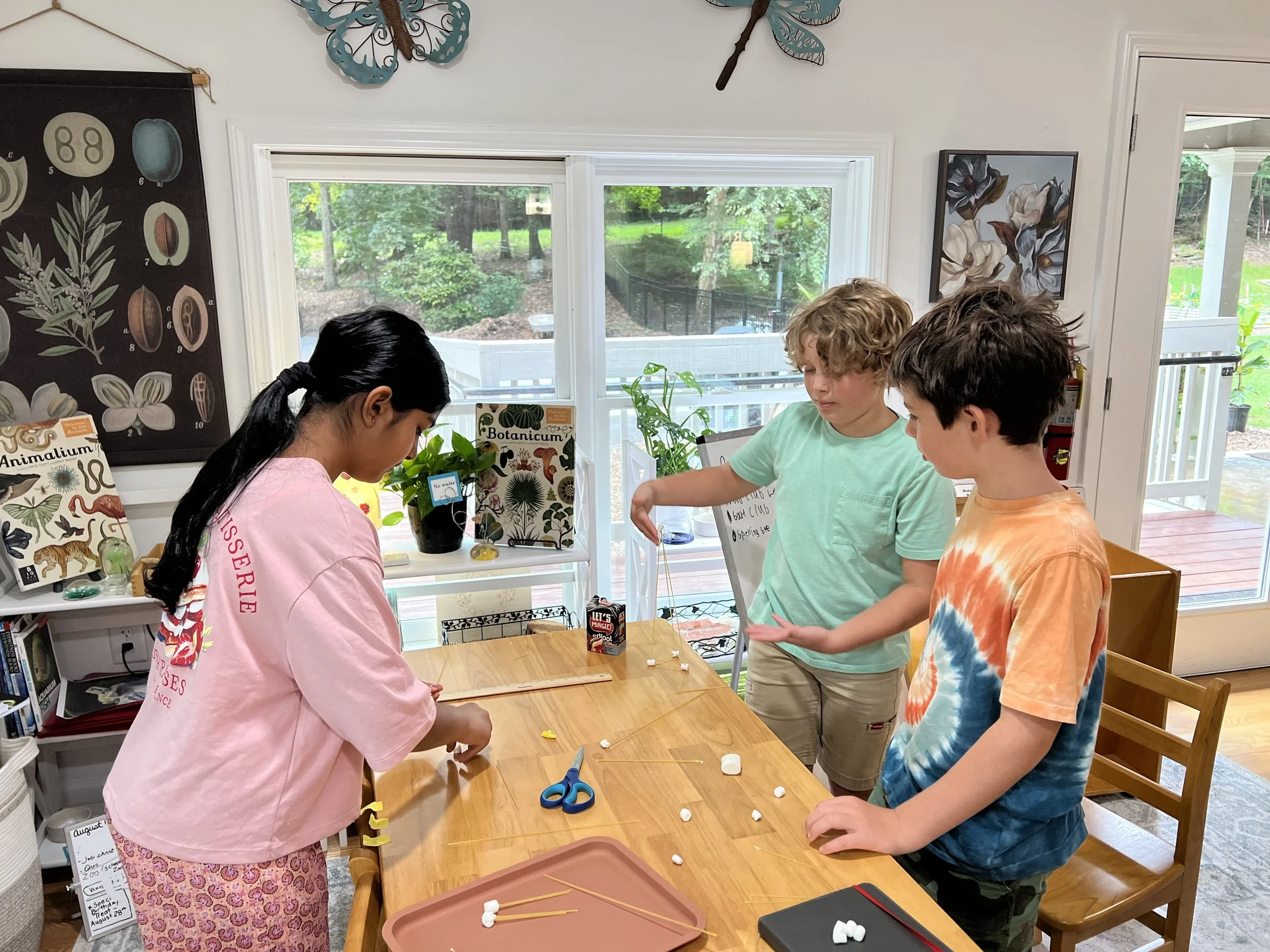

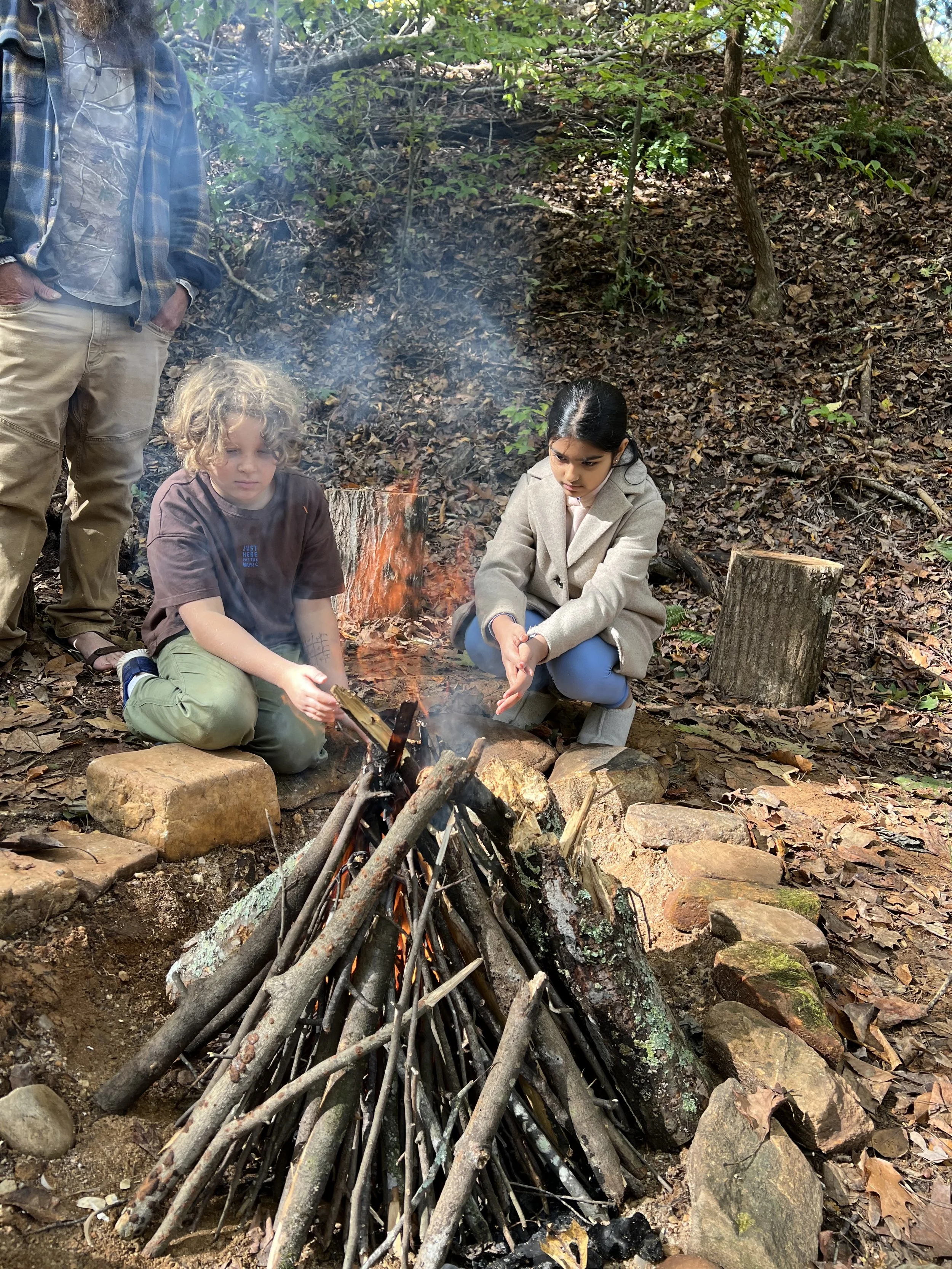
Our Approach: Development First, Learning Accelerates
Bridges is designed around a simple belief: when children’s developmental needs are met, learning expands. We plan development-first—supporting curiosity, moral reasoning, independence, and belonging—because academic growth explodes when students are engaged, capable, and motivated. Standards-based content is present and intentional, but it is treated as content in service to development, not the driver of daily learning.
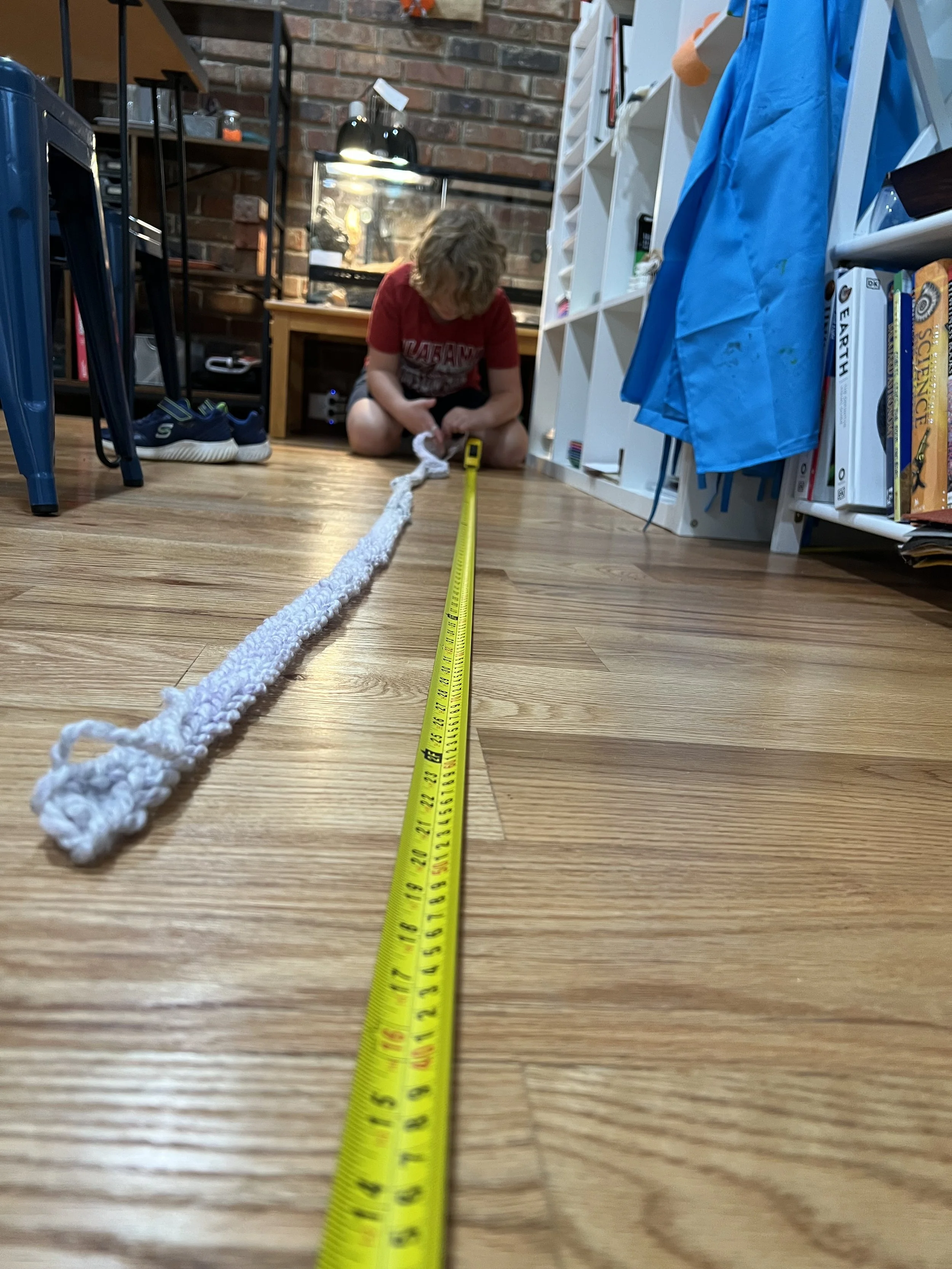
Cosmic Education: Understanding the Interconnected World
In Bridges, learning is organized around Cosmic Education, inviting students to see the world as an interconnected whole and to locate their place within it. Academic disciplines become tools for meaning-making as students explore science, history, mathematics, and language in service of big questions:
How does the natural world work—and how do humans live responsibly within it?
How have societies met their fundamental needs across time and place?
What does it mean to live with fairness, responsibility, and care for others?
This framework builds coherence and purpose: students learn not as isolated subjects, but as a connected story of life, people, and systems.
Responsible Independence: The Heart of Bridges
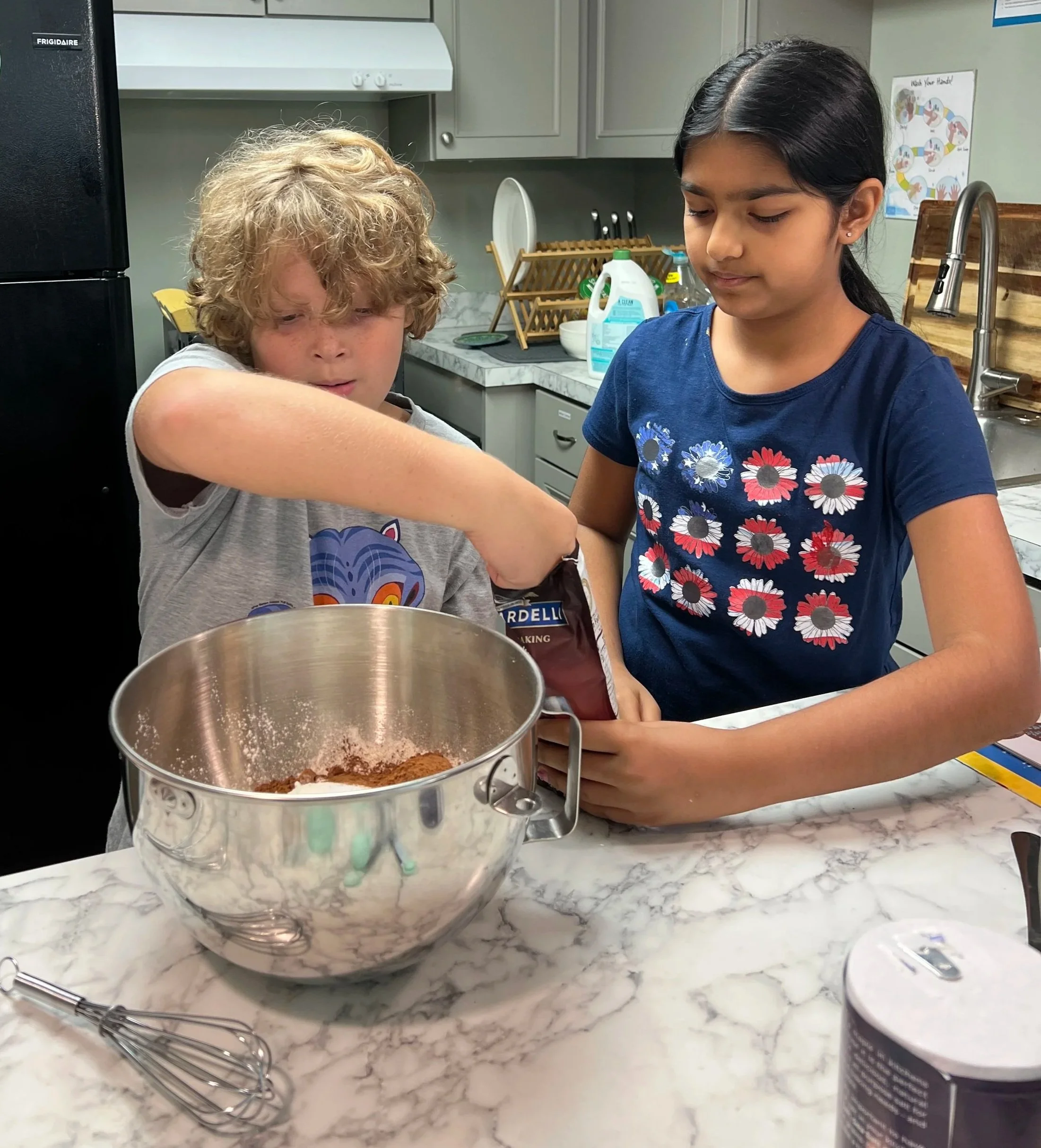
Bridges intentionally cultivates responsible independence—the ability to manage oneself, contribute to a community, and pursue meaningful work with confidence. Students practice:
making thoughtful choices about their work
managing time, materials, and follow-through
collaborating with peers and negotiating roles fairly
communicating clearly through writing, discussion, and presentation
caring for themselves, their community, and their environment
Through project collaboration, practical life work, presentations, and increasing experiences beyond the classroom—including time in nature and travel—children build trust in their abilities and confidence in their capacity to contribute.

What Learning Looks Like In The Transitions Program
In the Bridges Program, learning is designed to help children grow confident and capable by giving them increasing responsibility and meaningful work in a supportive, structured environment.
Learning begins with big questions and curiosity
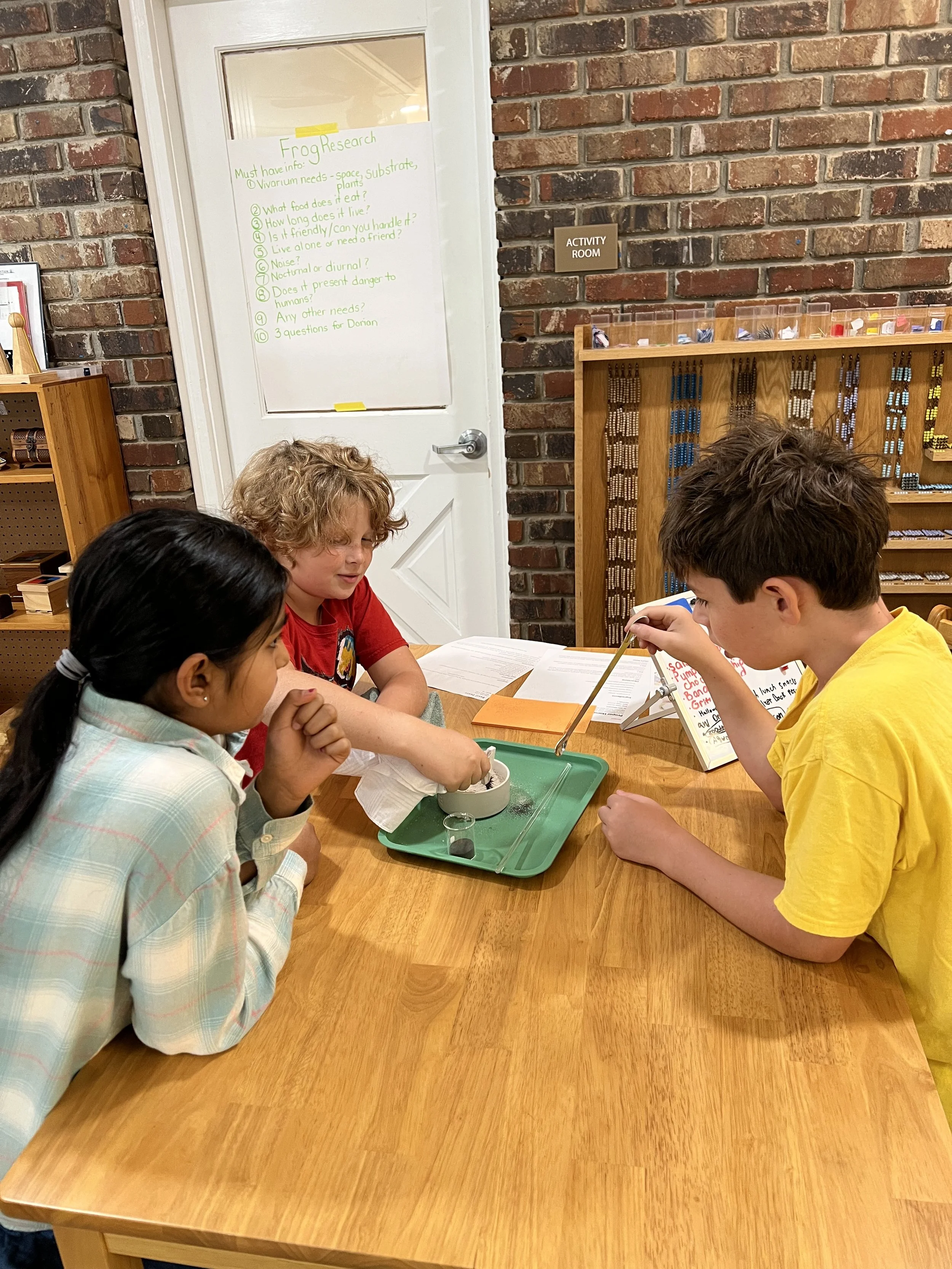
Students work independently and with others, with guidance from experienced teachers
Subjects are integrated so students see how science, history, math, and language connect
Collaboration teaches fairness, accountability, and respectful disagreement
Mathematics emphasizes understanding and confidence, not speed or memorization
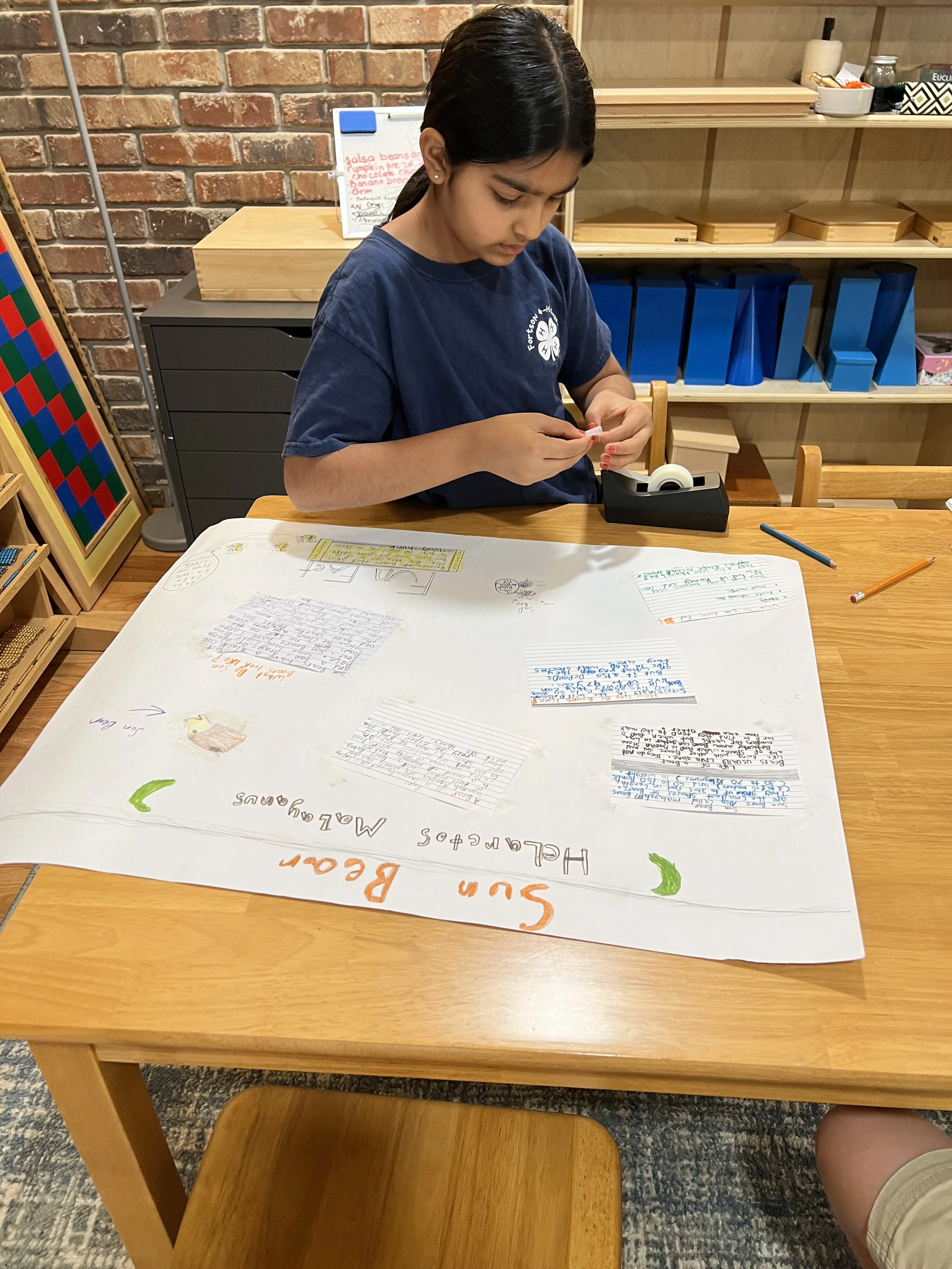
Students regularly share what they learn through presentations, discussion, and writing
Practical life—care of self, community, and environment—is part of everyday learning
Learning extends beyond the classroom, including nature study and real-world experiences
Reflection helps students understand their strengths and how they grow as learners

Standards in Context: Content That Serves Understanding
Because Bridges is rooted in Cosmic Education and the Fundamental Needs framework, sixth-grade content fits naturally into meaningful work.
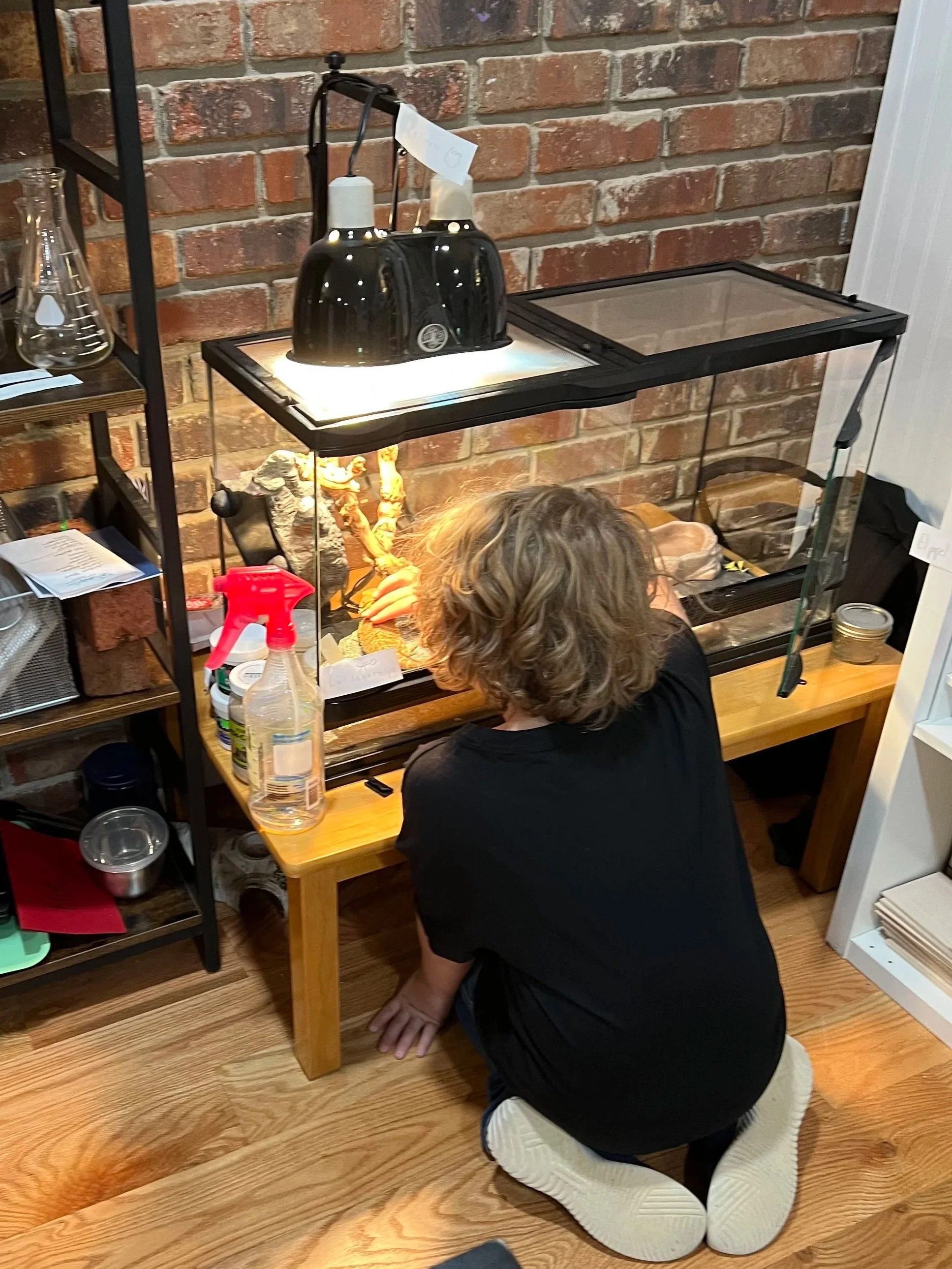
Science
Students investigate Earth systems, ecosystems, energy, and matter to understand how the natural world functions—and how humans meet needs like food, shelter, and protection within real ecological limits.
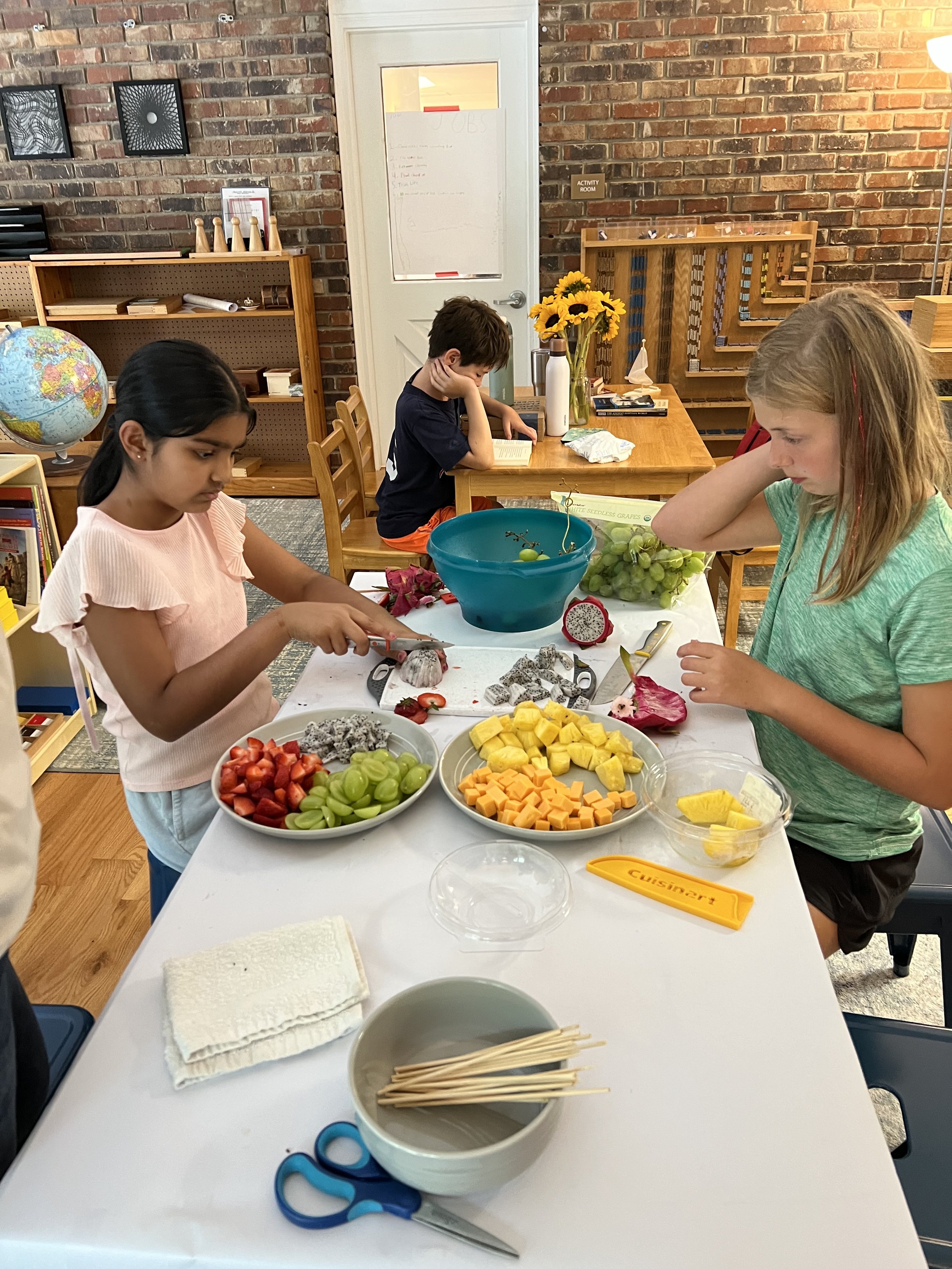
Social Studies
Students explore ancient civilizations, geography, economics, and civic structures by asking how societies organized themselves to meet universal human needs across time and place—and what those choices meant for justice, sustainability, and community life.
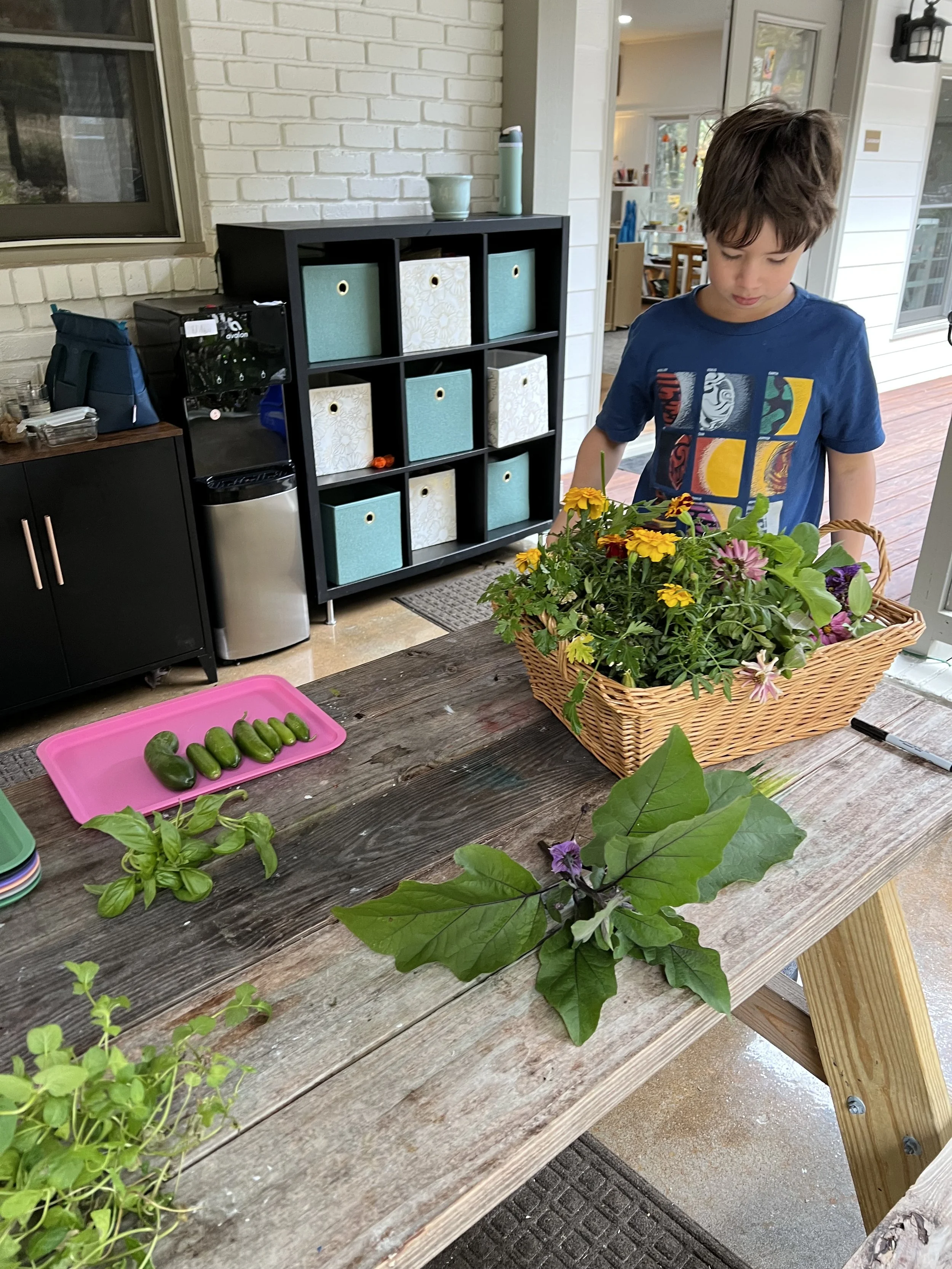
Language Arts
Students develop strong reading, writing, speaking, and listening skills through purposeful research and communication—constructing arguments about fairness, sharing discoveries through presentations, and using storytelling to express understanding.
In this way, academic content is not merely “covered,” but deeply understood, retained, and applied.
Culmination and Preparation
Bridges is both a culmination of the elementary years and a preparation for adolescence. By meeting children where they are developmentally and inviting them into real responsibility at a human scale, the program ensures that students don’t simply advance academically—they grow into thoughtful, engaged participants in the world, ready to step forward with competence, curiosity, and purpose.
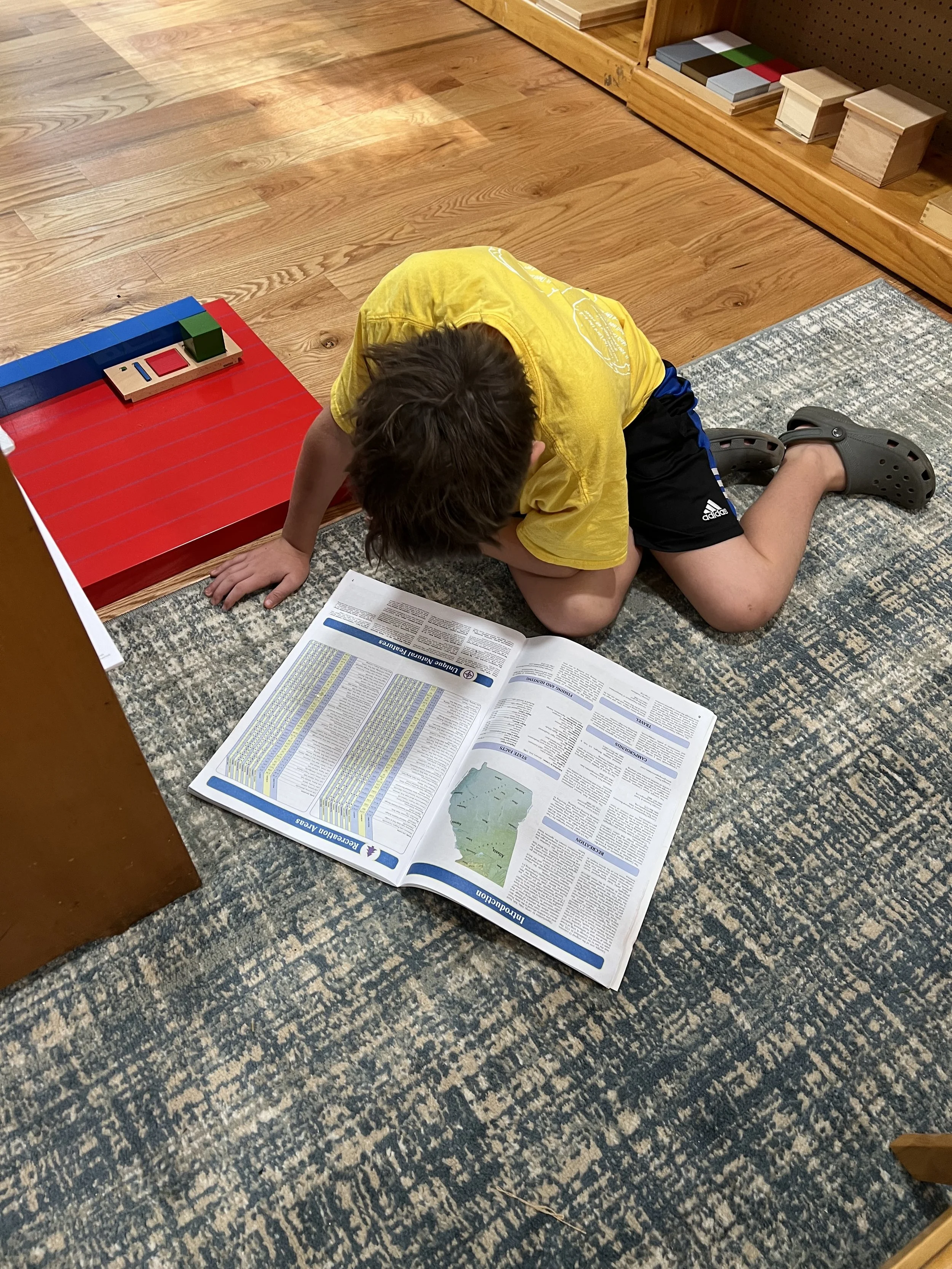

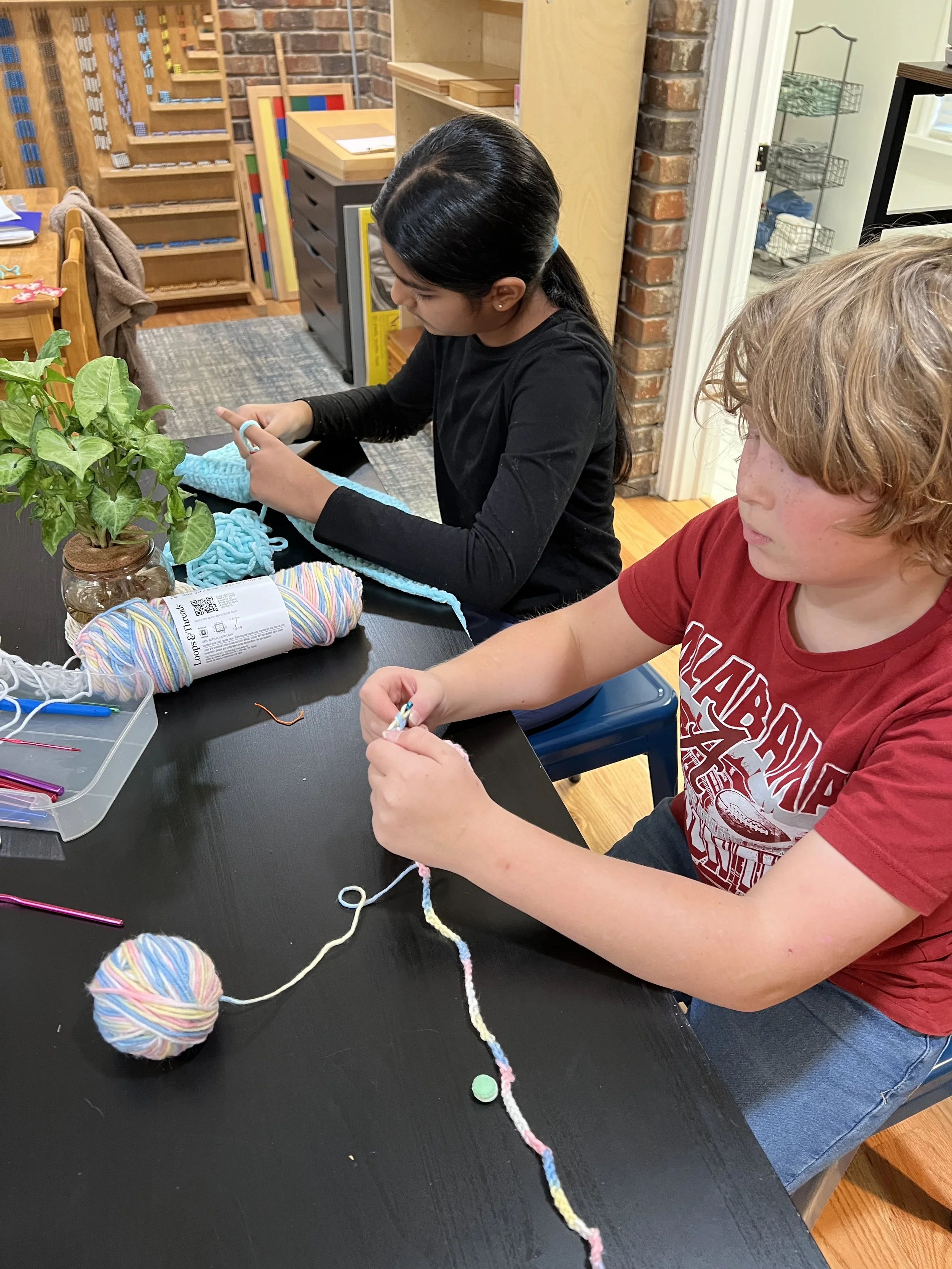
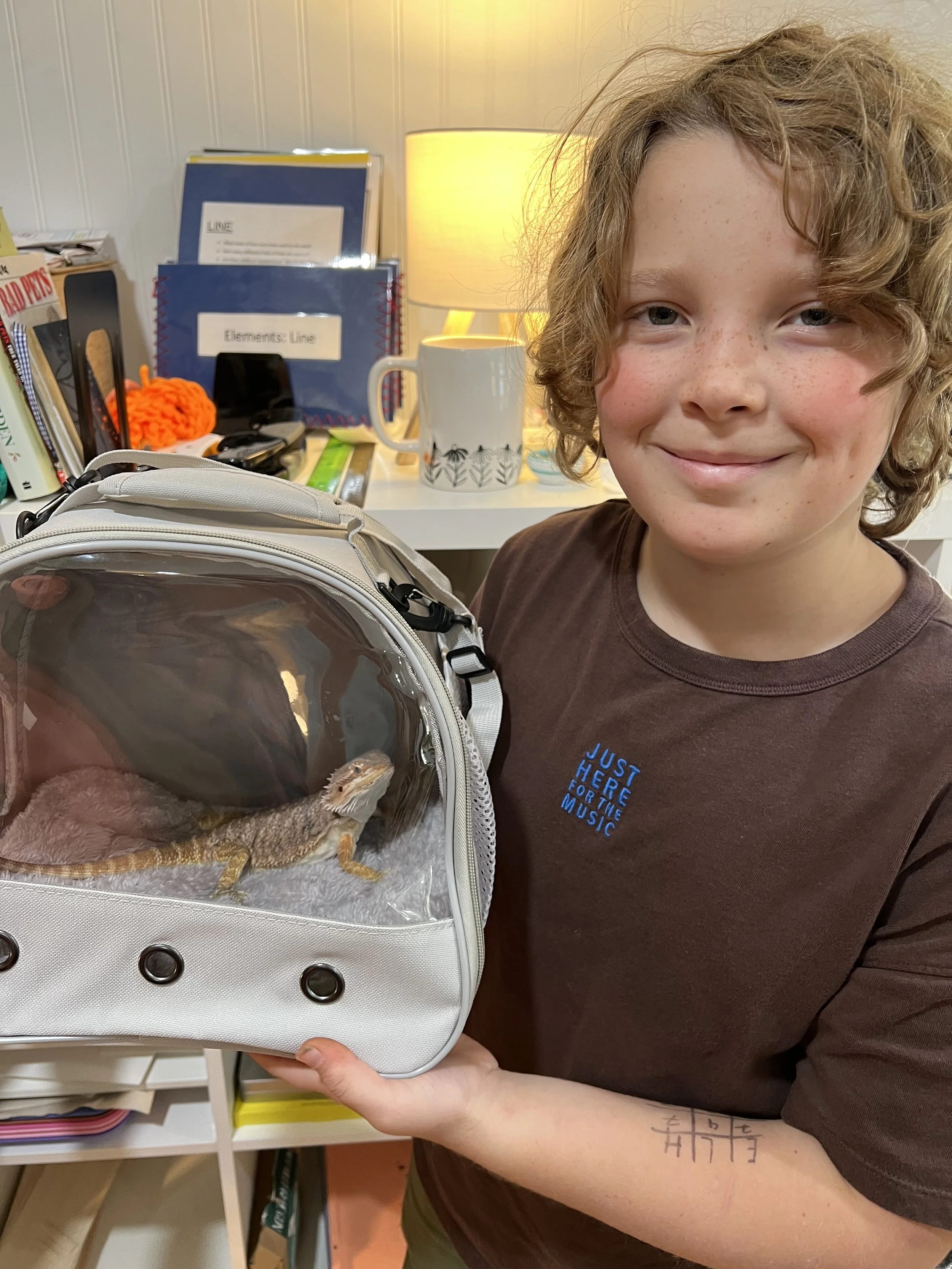
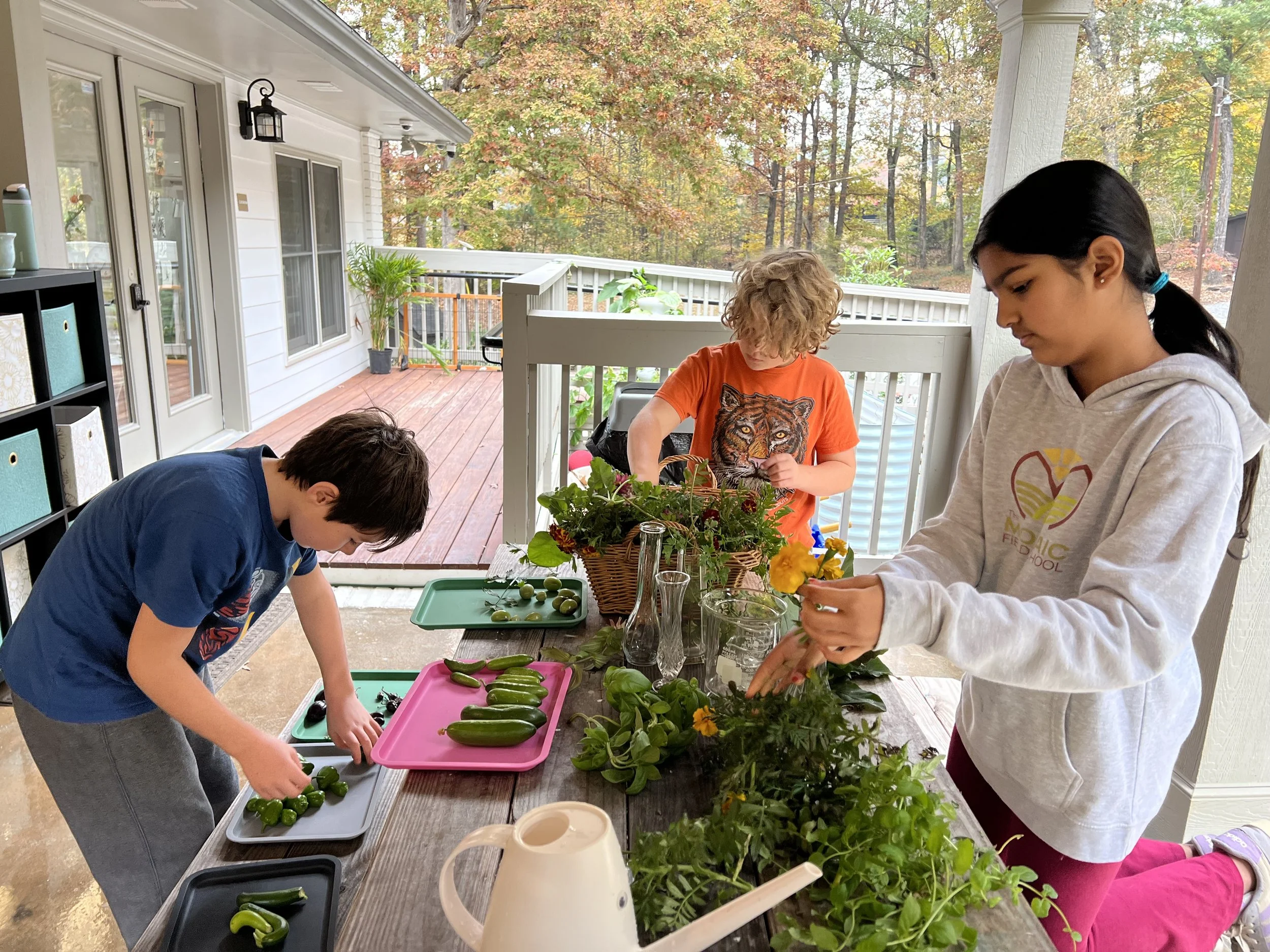
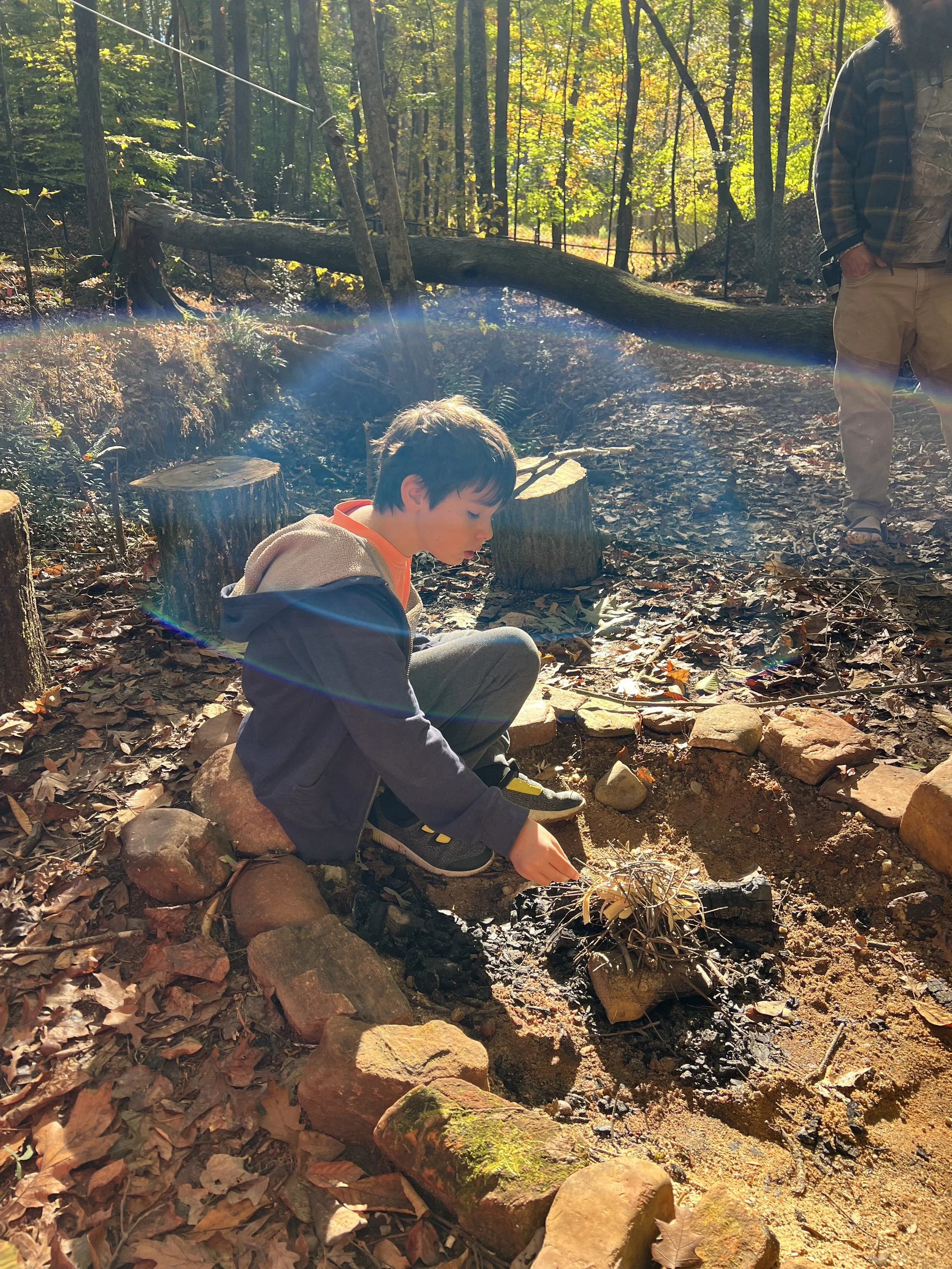

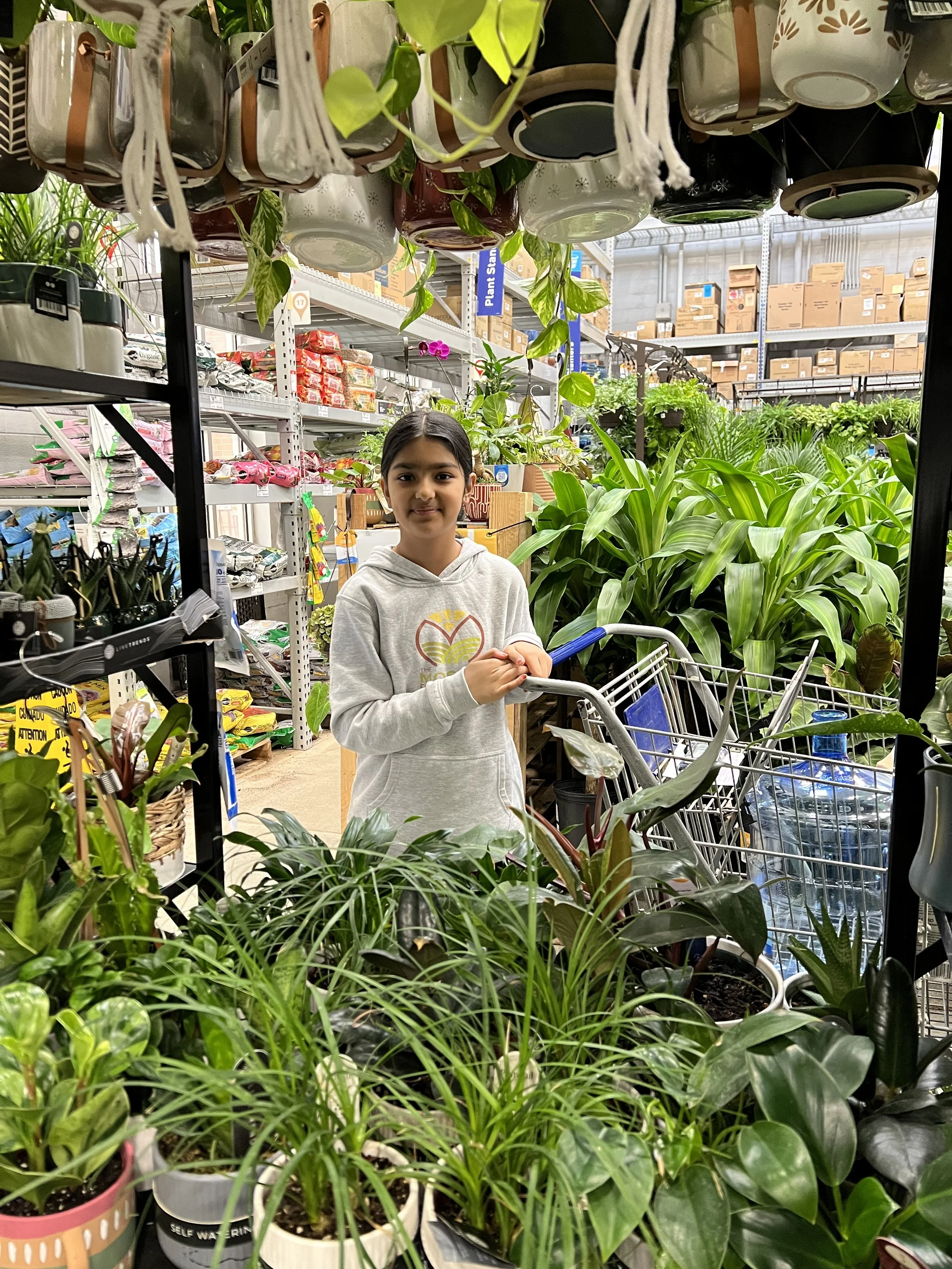


The child gives us a beautiful lesson – that in order to form and maintain our intelligence, we must use our hands.
-Maria Montessori
The first signs of puberty mark a significant milestone: the transition into adolescence and a new plane of development. With a renewed focus on identity and community, your child's natural curiosity now drives a deeper search for purpose.
This is the moment they are ready to move on to The Mosaic Adolescent Community (TMAC), a program uniquely prepared to support their growth as they move from childhood to young adulthood.
The Next Step: The Mosaic Adolescent Community

Curious If The Mosaic Field School Is Right For Your Child?
We welcome you to visit our space and explore how we nurture confident, joyful learners.