
Roots And Wings Part II
The Grove — From “Help Me Do It” to “Help Me Think for Myself”
How elementary children grow through responsibility, curiosity, and meaningful work
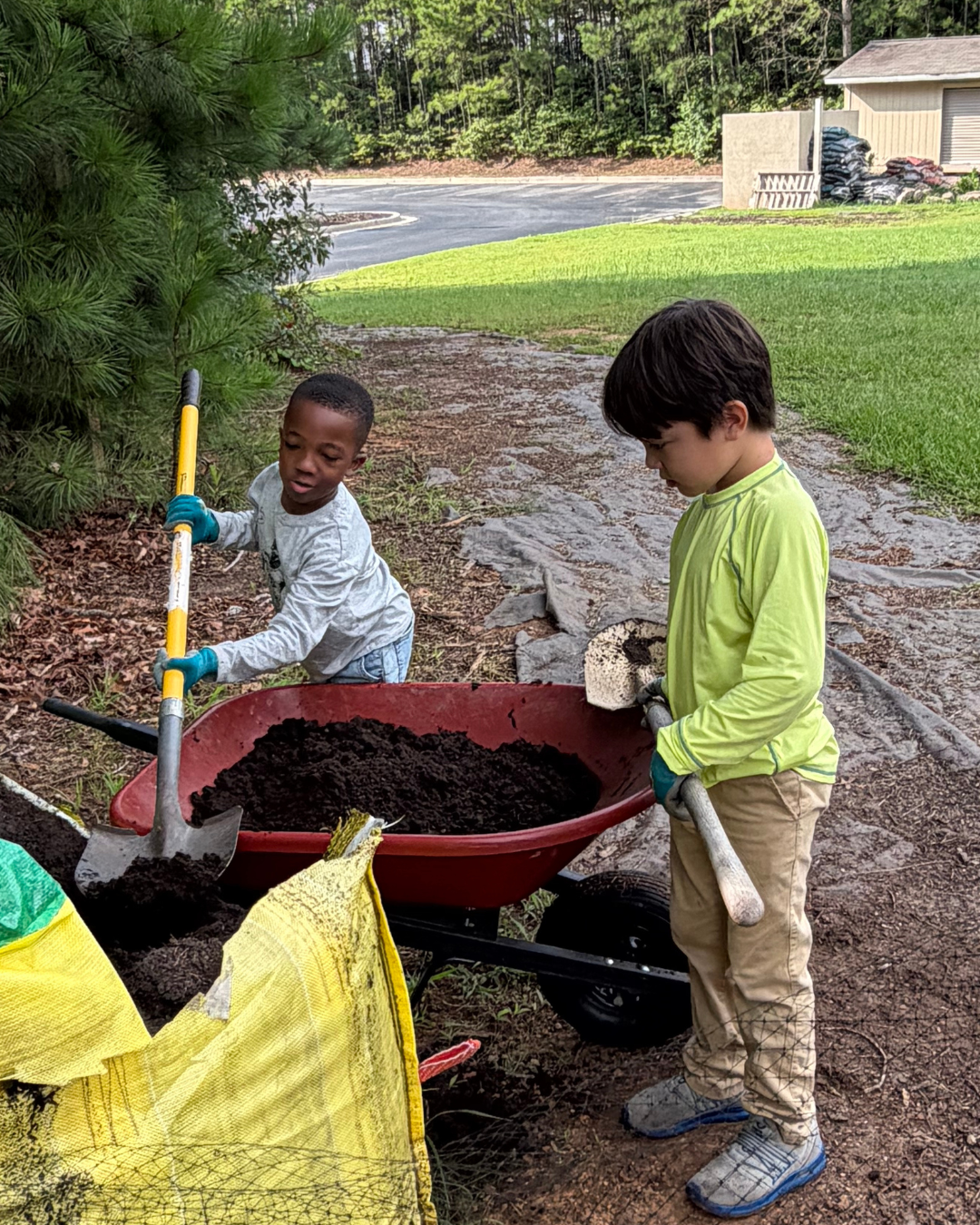
Letting go is not leaving children alone. It is staying close enough to prepare them and far enough back to let them practice.
When children move into the elementary years, independence changes.
They still need caring adults. They still benefit from structure, support, encouragement, and guidance. But their world is growing wider.
Elementary-aged children begin asking questions that reach beyond the immediate moment:
Why does this work?
How did that happen?
Who decided this?
What would happen if…?
They become more aware of friendships, fairness, history, culture, science, nature, and the larger community around them. They want to understand how the world fits together—and where they belong within it.
This is the second part of our Roots and Wings series. In Part 1, we explored how young children begin to develop confidence through the everyday work of caring for themselves and their environment. In the elementary years, that early confidence grows into something new: the ability to think, contribute, question, collaborate, and take responsibility for increasingly meaningful work.
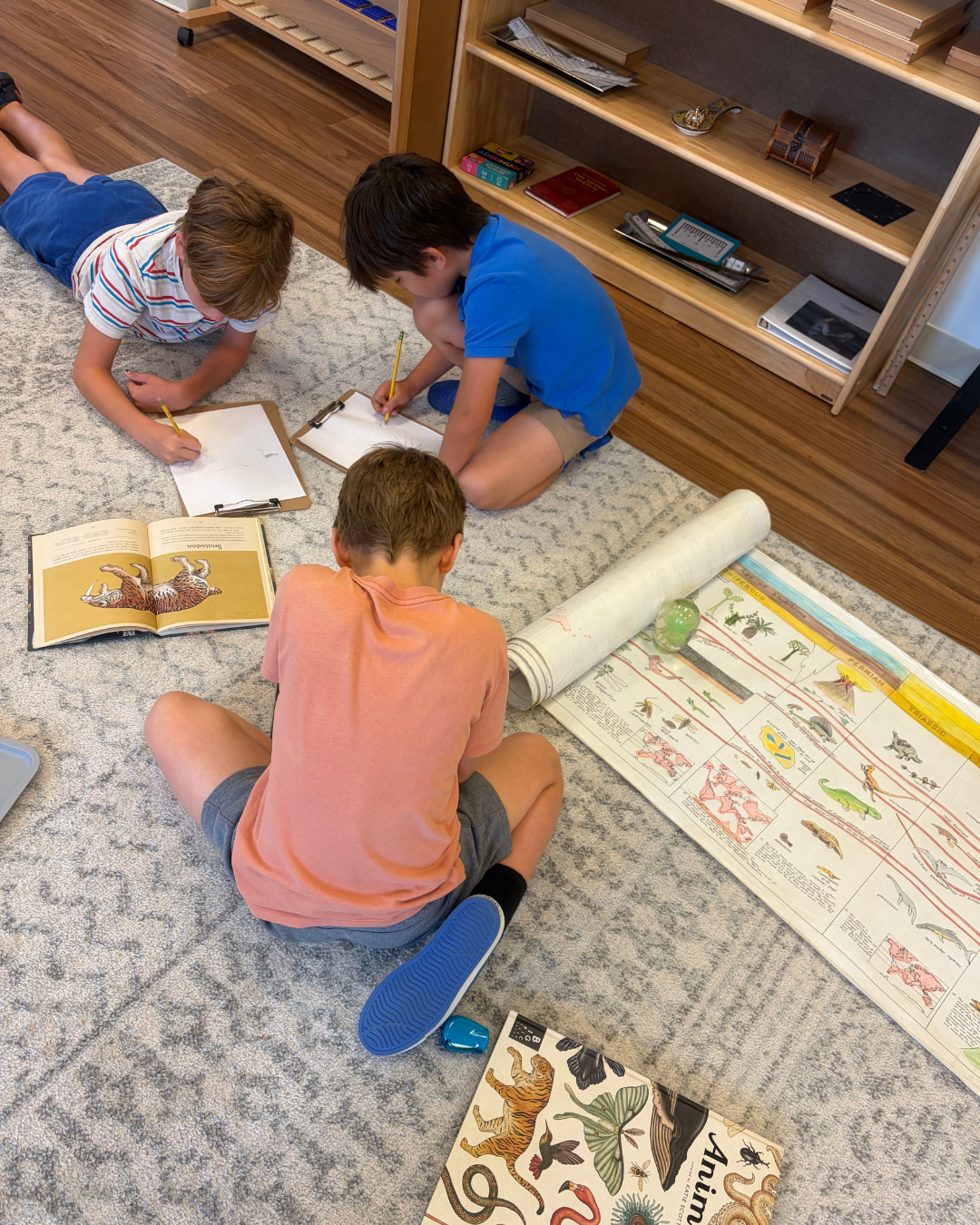
Every time we do something for a child that they are ready to do with support, we may save time in the moment—but we can unintentionally take away an opportunity for growth.
Independence becomes intellectual and social
For elementary children, independence is no longer only about doing a task alone.
It becomes intellectual: learning to ask questions, form ideas, research, revise, solve problems, and continue when a first attempt does not work.
It becomes social: learning to listen, work with peers, navigate disagreement, contribute to a group, and recognize that one person’s choices affect a whole community.
It becomes practical: organizing materials, managing time, following through, planning a project, preparing for an outing, and caring for shared spaces.
Research on autonomy and motivation consistently points to the importance of helping young people experience agency, competence, and belonging. When children have meaningful opportunities to make decisions, develop skills, and remain connected to supportive adults and peers, they are more likely to engage deeply in learning.
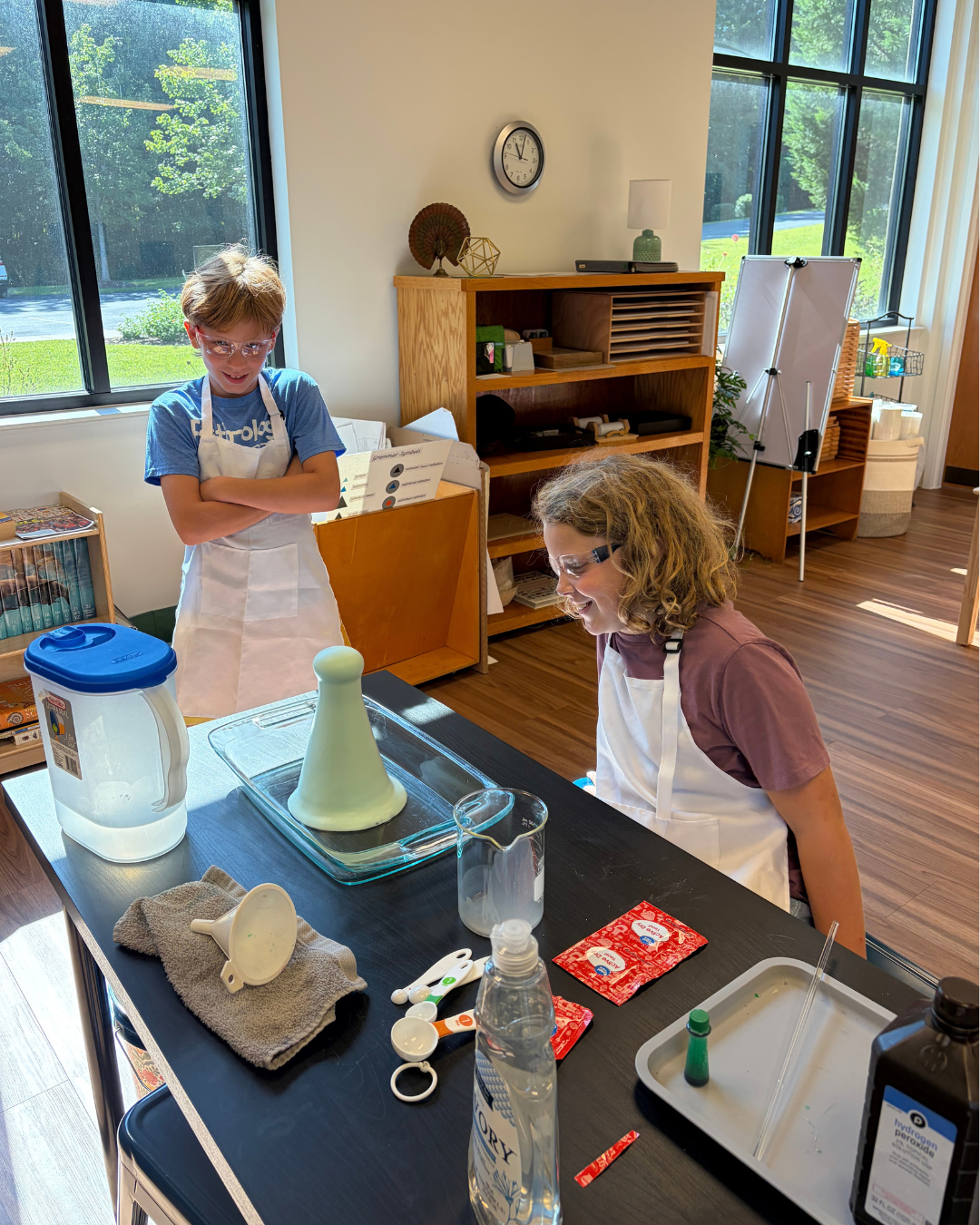
Independence does not begin when a child is “old enough.” It begins when a trusted adult makes room for them to try.
In The Grove
In The Grove, Mosaic’s elementary community for ages 6–12, students are invited to move from “Help me do it” toward “Help me think for myself.”
They build strong academic foundations while exploring questions that connect language, mathematics, science, history, geography, culture, and the natural world.
They learn to work independently and collaboratively. They follow interests, conduct research, create and present work, solve problems, participate in discussions, and begin to recognize that learning is not limited to a worksheet or a single correct answer.
The Grove’s Montessori approach includes integrated interdisciplinary study, uninterrupted work cycles, outdoor learning, hands-on exploration, practical life skills, community connections, and student-planned Going Outs. These experiences help students connect their learning to the wider world while practicing responsibility and growing independence.
A child who helps plan an outing, researches a question, contributes to a group project, prepares materials, or explains an idea to peers is building more than academic knowledge.
They are learning:
“My work matters.”
“My voice matters.”
“I can contribute.”
“I can figure this out.”
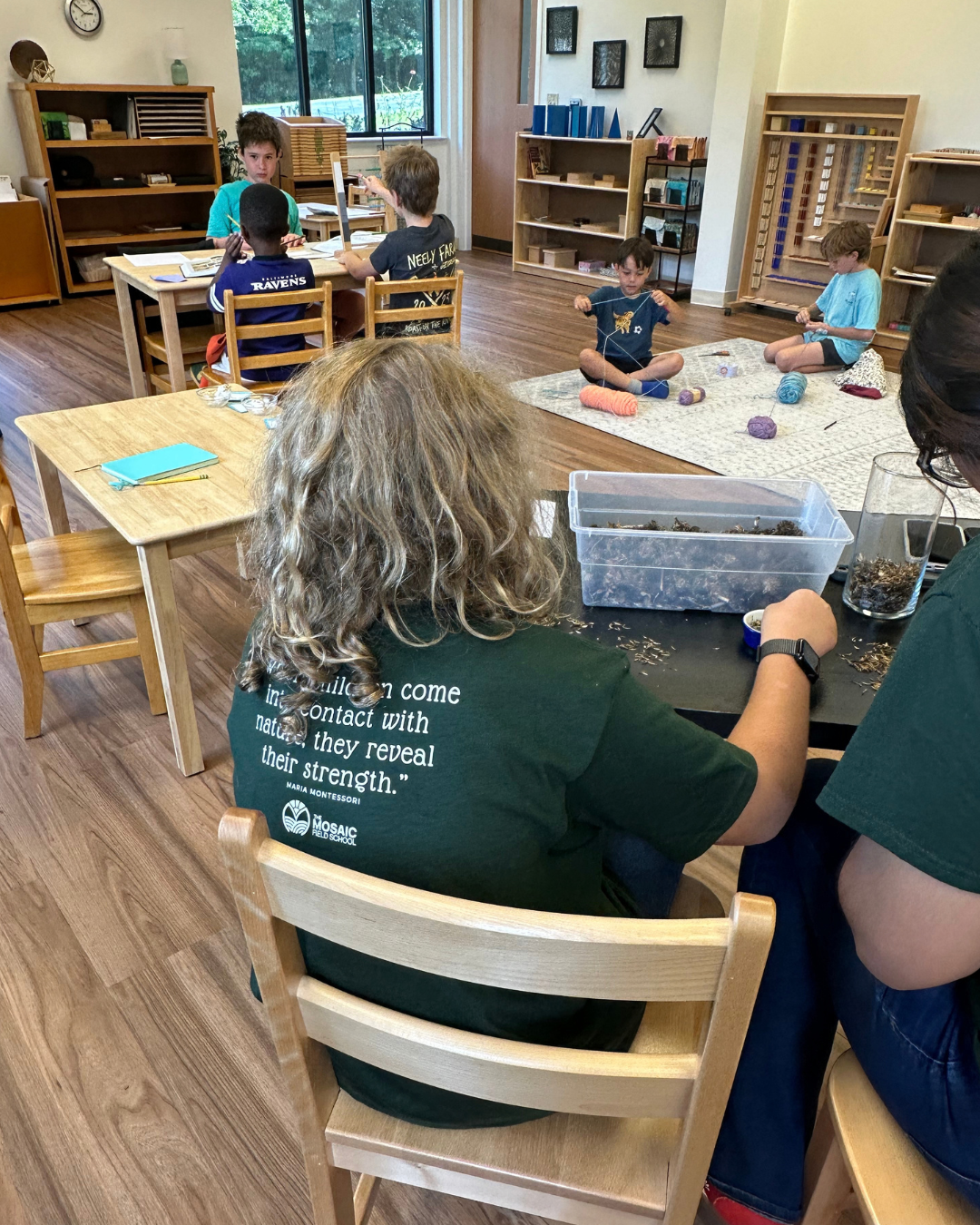
The goal is not to make childhood more difficult. It is to give children the dignity of discovering what they can do.
When independence leaves the classroom
As children move through the elementary years, independence begins to travel with them beyond the classroom walls.
It may look like helping plan and prepare for a Going Out: identifying a question, researching where to go, deciding what needs to be packed, planning transportation, communicating respectfully with adults, carrying money responsibly, and following through on the details that make a real experience possible.
It may look like placing their own order at a restaurant, walking the dog, or walking to a trusted friend’s house nearby when it is safe and developmentally appropriate. It may also look like remembering what needs to be packed for the day or taking ownership of a commitment to a group.
These moments can feel small, but they are practice for life.
At Mosaic, the process of building toward overnight experiences also happens gradually. Students begin with short, well-supported experiences and grow toward longer trips as their readiness, skills, and confidence develop. By sixth grade, students participate in a week-long capstone experience that they help plan in meaningful ways.
The point is not to send children away before they are ready. It is to prepare them slowly enough and trust them enough that when a larger opportunity arrives, they can meet it with growing confidence.
The Grove’s program design includes outdoor learning, community exploration, student-planned Going Outs, and overnight experiences that connect academic learning with practical responsibility and the world beyond campus.
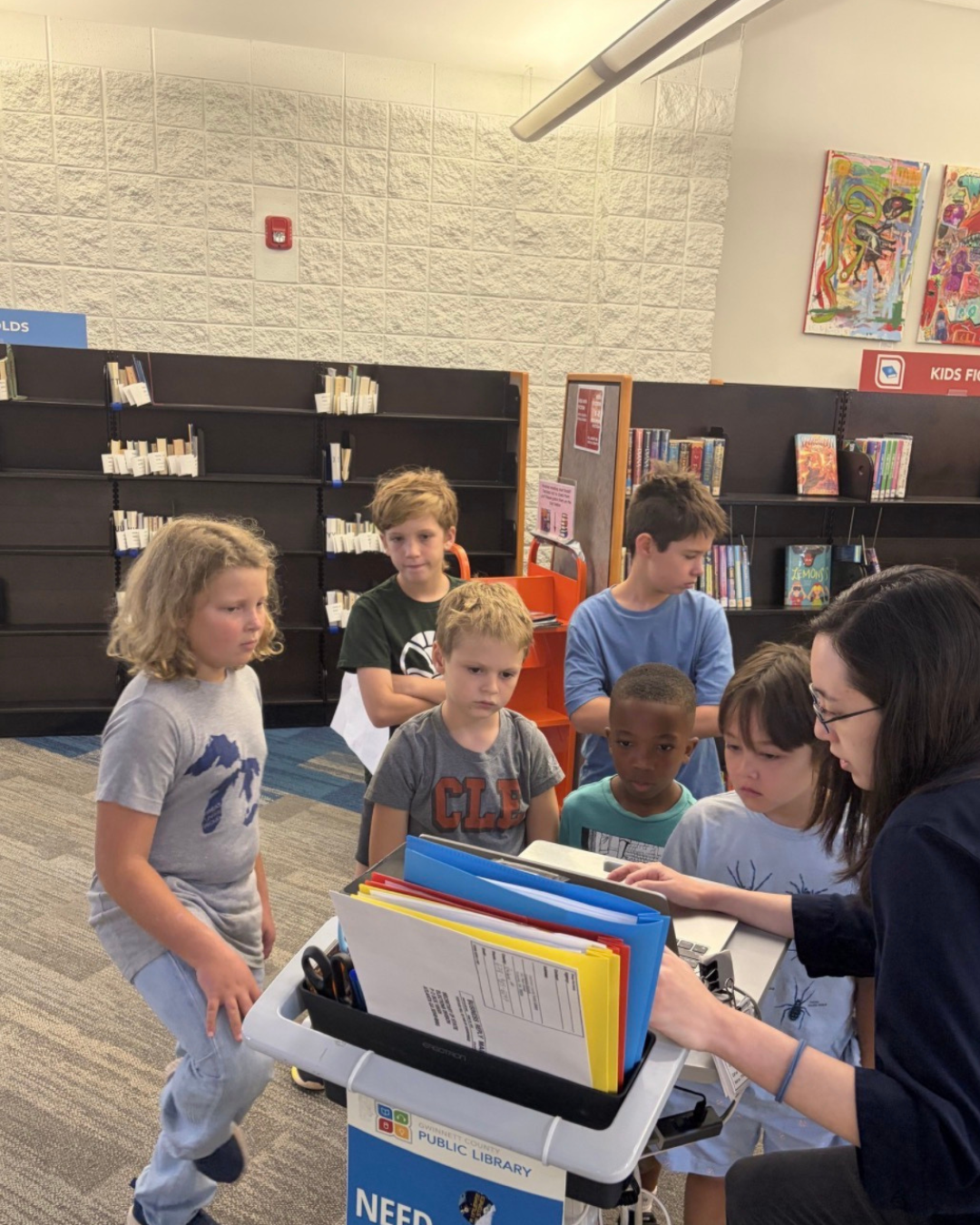
Independence does not begin when a child is “old enough.” It begins when a trusted adult makes room for them to try.
Letting them wrestle with the work
For parents, this stage can involve a new kind of letting go.
It may mean allowing a child to spend time working through a hard problem instead of immediately providing the answer. It may mean asking, “What do you think your next step could be?” before solving a conflict or organizing their materials for them.
This does not mean leaving a child unsupported. It means offering the right amount of help without taking away the experience of growth.
When children are allowed to wrestle with meaningful work in a supportive environment, they develop persistence, self-trust, and a stronger understanding of what they can do.
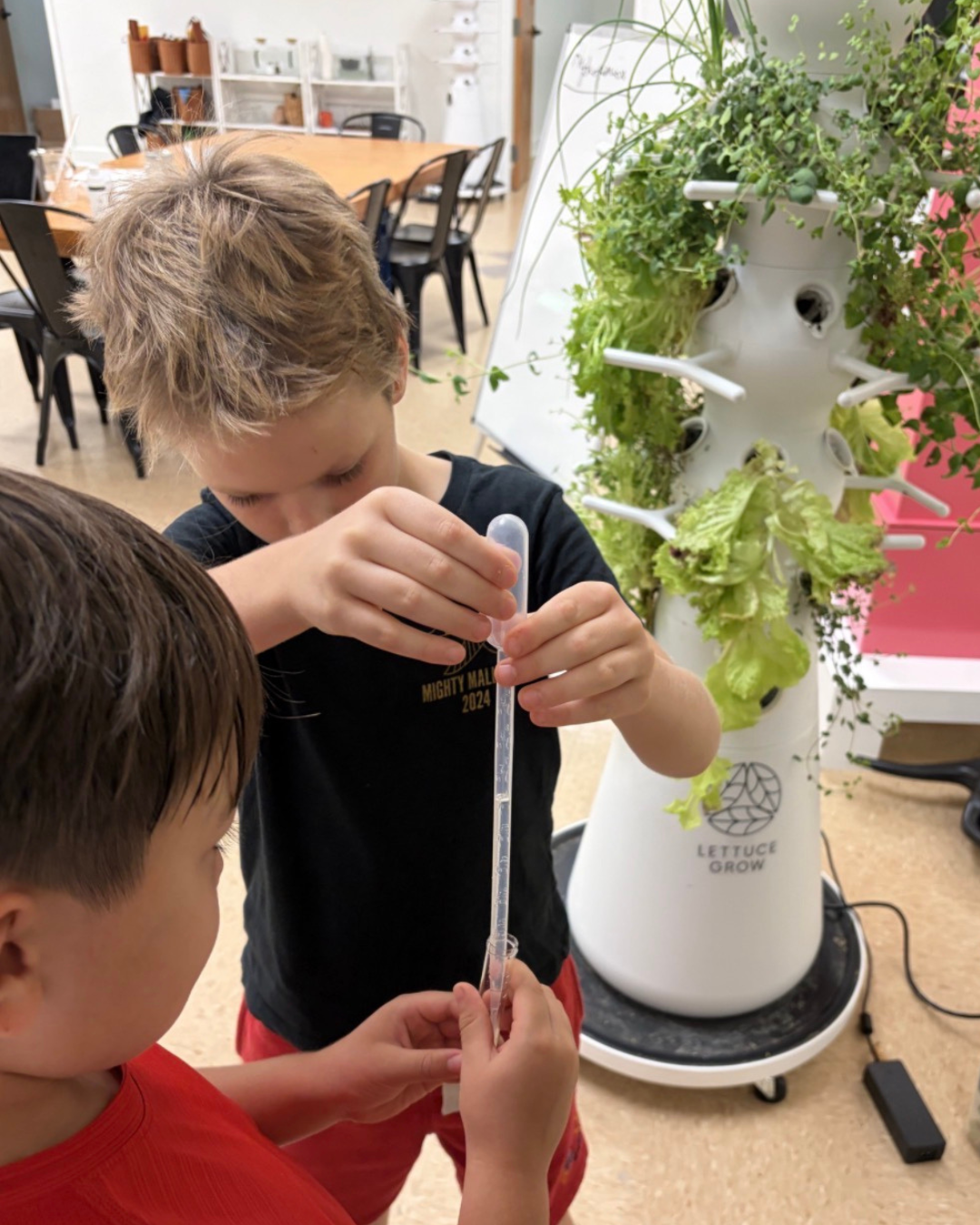
Wings are not handed to children all at once. They are built through practice.
Roots and wings in the elementary years
Elementary children still need roots: belonging, connection, clear expectations, caring adults, and a community where they are known.
But they are also ready for wider wings: questions, responsibility, collaboration, real-world exploration, and the satisfaction of contributing something meaningful.
At Mosaic, The Grove gives children room to grow in both directions. Students are supported as they build deep understanding, practice independence, connect with nature and community, and become increasingly capable learners and citizens.
The goal is not simply to help children complete elementary school.
It is to help them become young people who know how to think, work, contribute, and continue growing.
Life is curious. And we are education for life.
Curious what this looks like in The Grove? Schedule a visit and see Montessori elementary in action.
Reviewed by Kelli Jones, Founder and Head of School at The Mosaic Field School. Kelli is a member of the American Montessori Society (AMS) and the Association Montessori Internationale (AMI), and holds AMI certificates in Montessori Administration and Adolescent Orientation as well as the AMI Adolescent Diploma. See Kelli’s bio here.