
From Guidance to Trust, Preparing Teens for Real Life
Why adolescents need meaningful responsibility before adulthood arrives
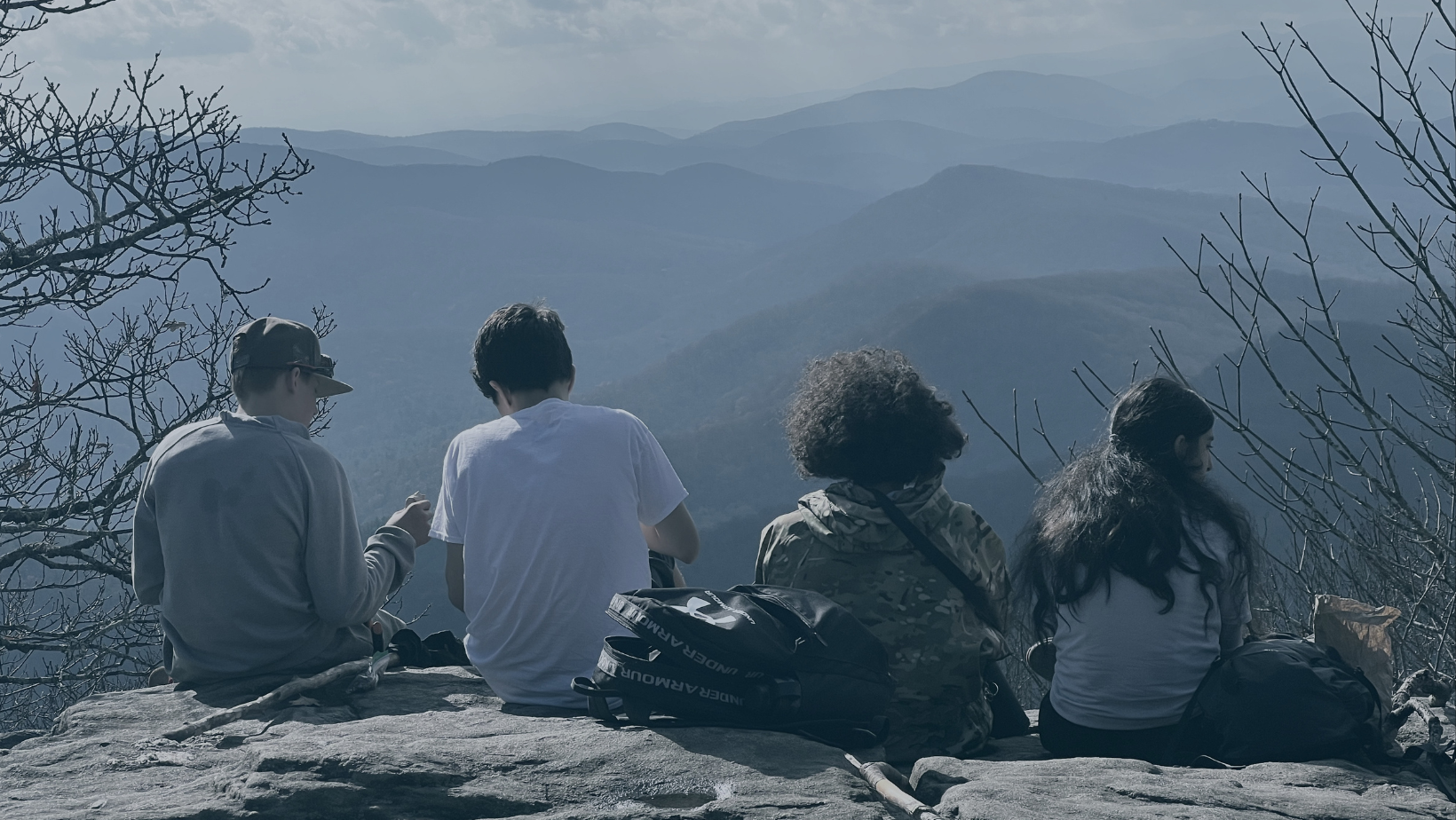
There comes a point when letting go feels less like allowing a child to pour water or choose an activity and more like trusting a young person with decisions that carry real weight.
Adolescence can bring bigger questions, stronger opinions, greater independence, more complicated relationships, and a growing desire to be taken seriously.
For parents, it can also bring understandable concern.
How do we protect our teenagers while preparing them for adulthood? How do we give them enough freedom to grow without stepping back so far that they feel unsupported? How do we help them become responsible, capable, and thoughtful without expecting them to have everything figured out?
This is the final part of our Roots and Wings series. In Part 1, we explored the early childhood confidence that begins with small acts of “I can do it myself.” In Part 2, we looked at how elementary children grow through responsibility, curiosity, and meaningful work.
In adolescence, that work becomes even more real.
Independence with accountability
Teenagers need opportunities to use and strengthen their growing judgment.
They need meaningful work. They need a voice in decisions that affect them. They need to experience the results of their planning, preparation, follow-through, and choices. And they need trusted adults who set clear expectations, ask thoughtful questions, provide perspective, and remain present when challenges arise.
Independence is not the absence of limits; it is the opportunity to practice responsibility within a supportive community.
Research on adolescent development emphasizes the importance of autonomy that remains connected to relationship, guidance, and structure. Autonomy-supportive adult behavior includes listening to a teen’s perspective, offering meaningful choices, explaining the reasons behind expectations, and encouraging self-initiated growth rather than relying on control alone.
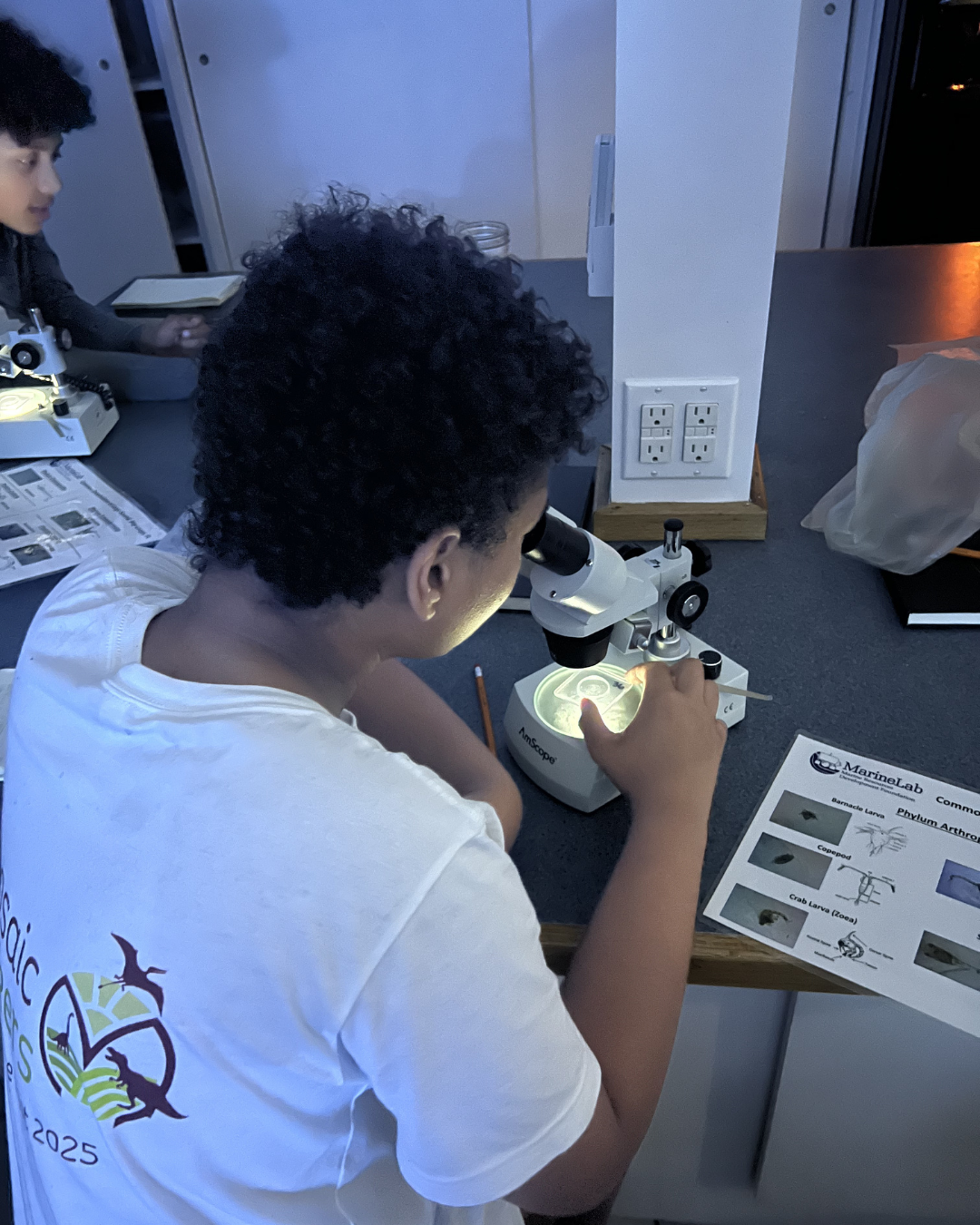
Our middle and high school students engage in real-world, meaningful education. Here, a teen works with a microscope at the Marine Lab in Florida.
Independence in TMAC, Mosaic’s Montessori Middle and High School
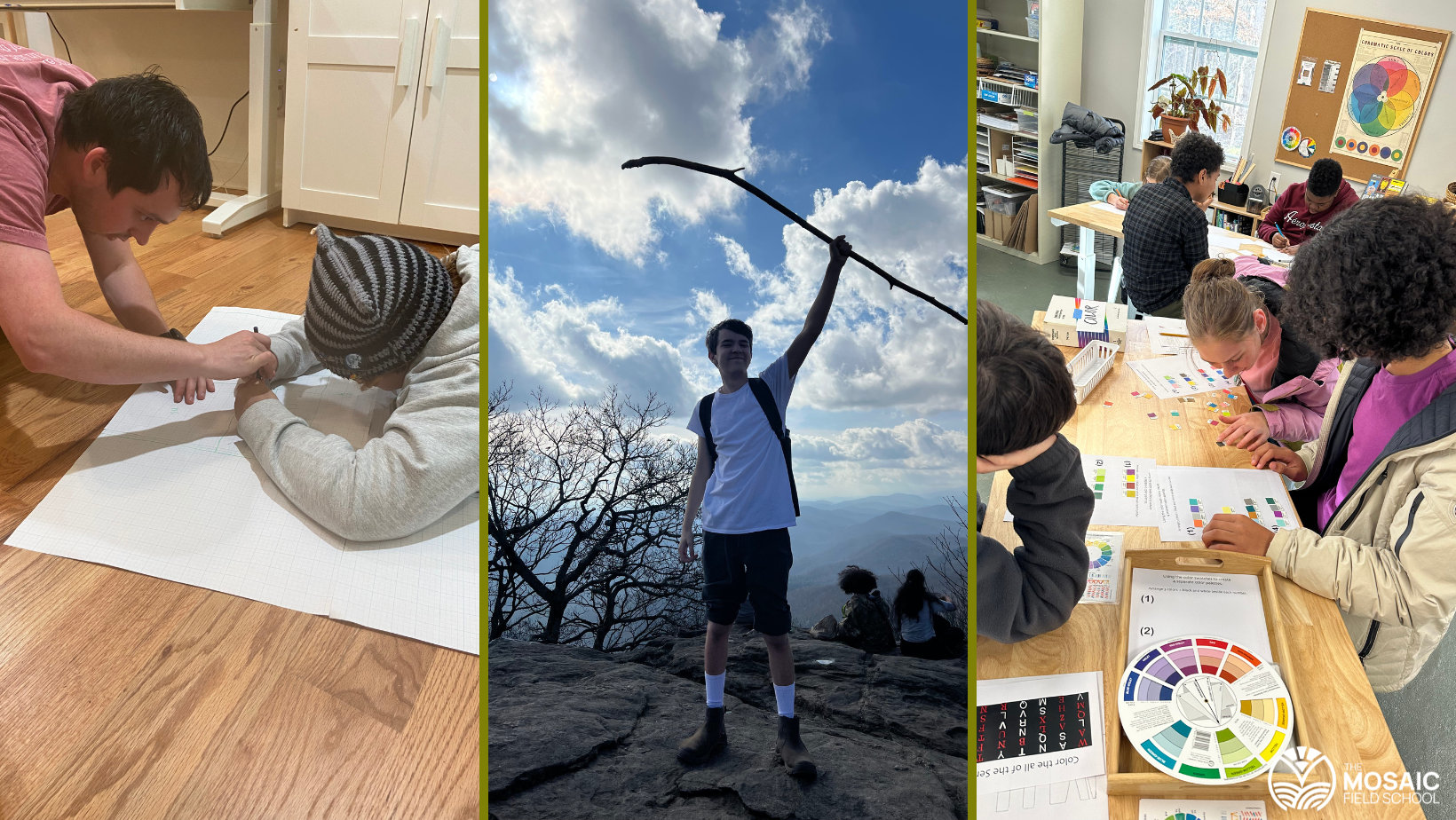
At The Mosaic Adolescent Community (TMAC), Mosaic’s middle and high school program, adolescents are invited to practice the work of becoming adults while they still have a strong community around them.
They engage in meaningful academic study, long-term work, collaboration, real-world problem-solving, outdoor experiences, project planning, and community contribution. They learn to communicate thoughtfully, manage responsibilities, follow through on commitments, and reflect on how their choices affect others.
Montessori adolescent education recognizes that teenagers are developing a need for social and economic independence. Practical work, cooperative responsibility, production and exchange, connection to the wider community, and opportunities to make meaningful contributions help adolescents prepare for both future study and adult life.
At TMAC, students are not simply told to become responsible; they are given meaningful opportunities to practice responsibility.
They learn:
“I can make a plan.”
“I can contribute to a group.”
“I can recover from a mistake.”
“I can make a thoughtful decision.”
“I can become someone others can depend on.”
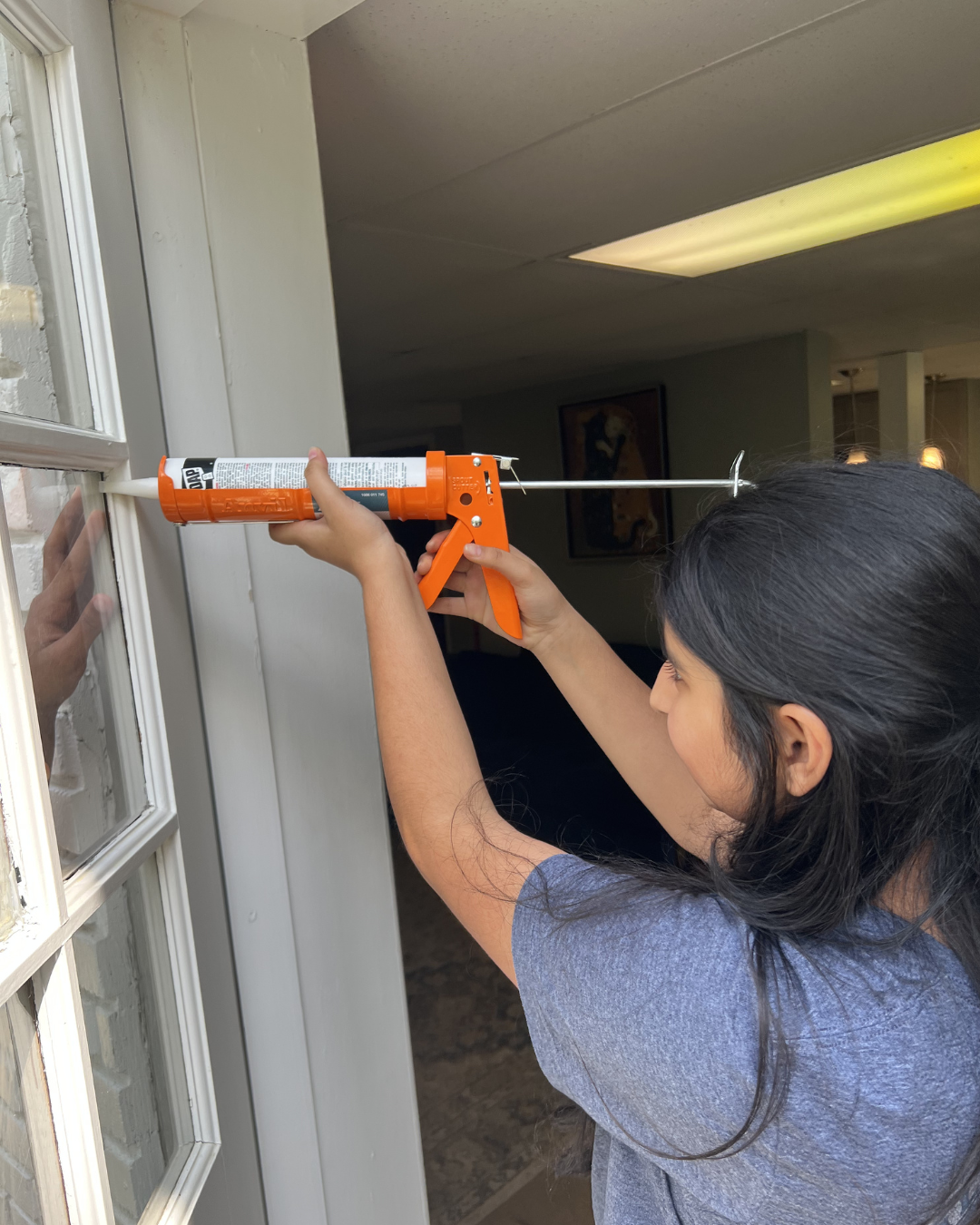
Letting go is not leaving children alone. It is staying close enough to prepare them and far enough back to let them practice.
Wings need somewhere to be tested
By adolescence, independence becomes more visible and more consequential.
A multi-day trip or residential experience requires more than excitement and a packed bag. Adolescents must plan, communicate, cooperate, prepare food, manage resources, care for shared spaces, attend to their own needs, and notice the needs of the people around them.
They learn that community is not something adults create for them while they watch; community is something they help sustain.
When teens travel, cook, clean, plan, work, and live alongside one another, they encounter the real complexities of responsibility: a meal still needs to be prepared when they are tired; a shared space still needs care; a group plan must be adapted when something changes; and another person may need encouragement, patience, or practical help.
These experiences do not make adolescents independent overnight. They give them repeated opportunities to become dependable.
At TMAC, adolescents engage in a community that includes meaningful work, practical responsibility, collaborative problem-solving, and travel experiences. Our adolescent program supports young people’s growing social and economic independence through real work, community participation, and connection with the wider world.

“When teens travel, cook, clean, plan, work, and live alongside one another, they encounter the real complexities of responsibility…”
The courage to trust
Letting go during adolescence can be challenging because the stakes feel higher.
We want to spare teens from disappointment, uncertainty, discomfort, and mistakes. But young people who are never trusted with real responsibility cannot fully develop confidence in their own judgment. Teens who are never allowed to make a meaningful choice cannot learn how to weigh options and live with the results. Teens who are protected from every challenge may miss the opportunity to discover their own resilience.
This does not mean sending a teenager into the world without support; it means allowing them to practice the work of adulthood while caring adults are still close enough to guide, encourage, and help them reflect.
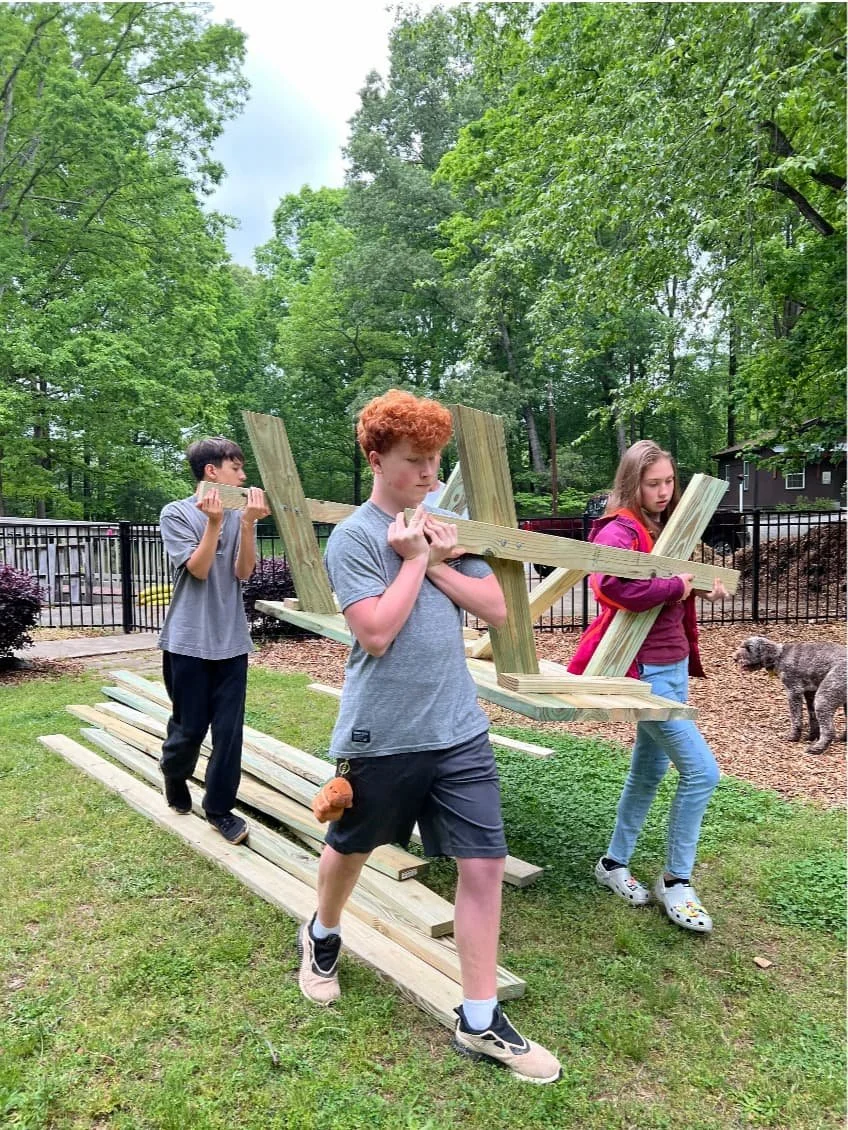
“Teens who are protected from every challenge may miss the opportunity to discover their own resilience.”
Roots and wings for adolescence
Teenagers still need roots: belonging, safety, values, connection, consistent expectations, and adults who see both who they are now and who they are becoming.
They also need wings: challenge, responsibility, meaningful contribution, real-world work, healthy risk, and the freedom to practice.
At TMAC, we believe adolescents deserve both.
The goal is not simply to get teens through high school.
It is to help them become capable, self-aware, connected, and prepared to participate thoughtfully in the world.
You gave them roots. Now, with guidance and trust, let them fly.
Life is purposeful. And we are education for life.
Curious what this looks like for your teen? Join us for Introduction to Montessori for Adolescents on Saturday, November 7th our Sims Lake campus.
Reviewed by Kelli Jones, Founder and Head of School at The Mosaic Field School. Kelli is a member of the American Montessori Society (AMS) and the Association Montessori Internationale (AMI), and holds AMI certificates in Montessori Administration and Adolescent Orientation as well as the AMI Adolescent Diploma. See Kelli’s bio here.
New to Montessori? Our Bridges Community gives students from traditional schools a year to learn how to be Montessori learners before joining TMAC.