
The Rigorous, Meaningful Work Of Montessori At The Mosaic Field School
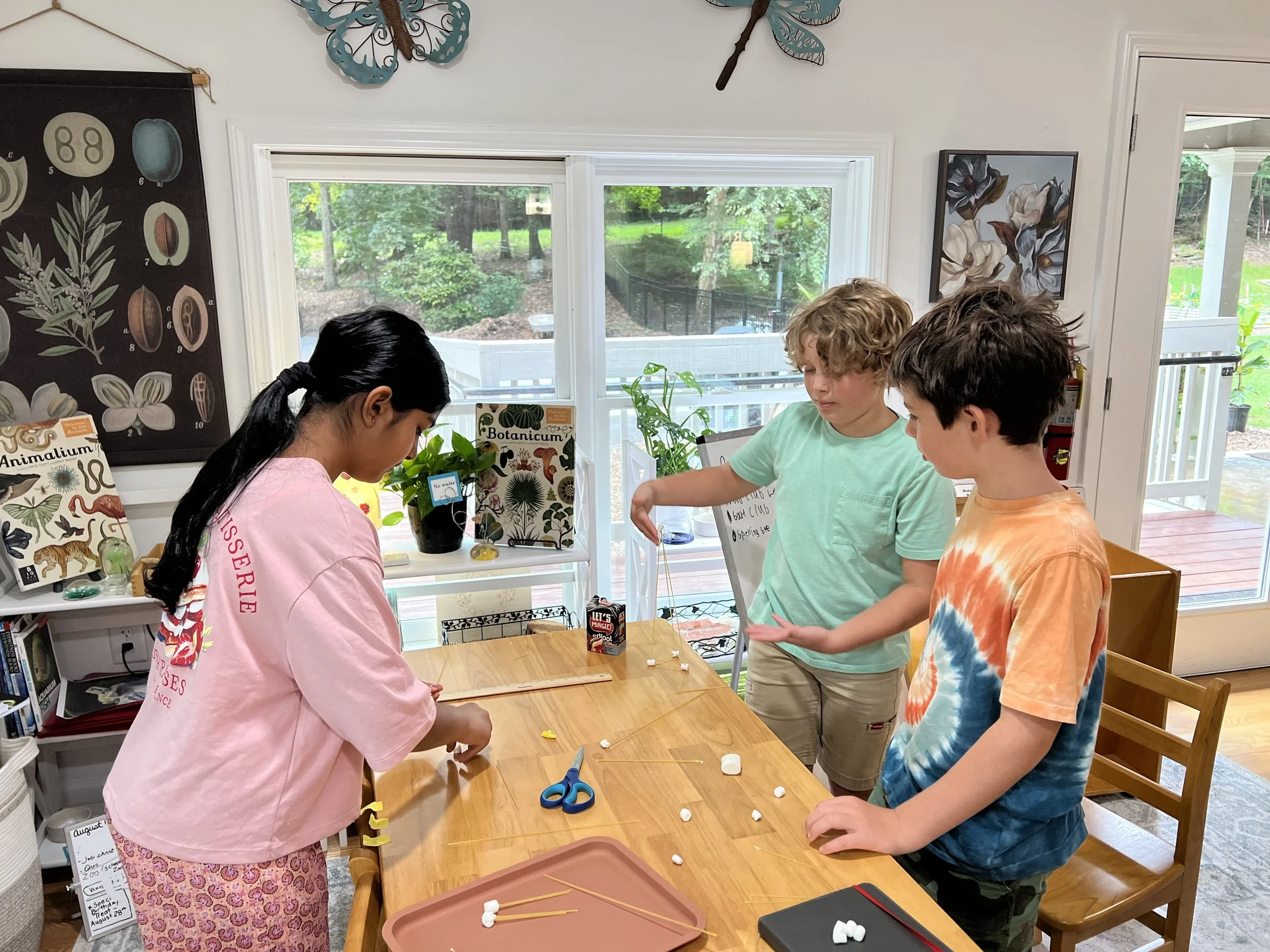
Montessori education is often described as hands-on — but that phrase alone doesn’t capture the depth, discipline, and intellectual rigor happening daily in a true Montessori environment.
At The Mosaic Field School (TMFS), students are engaged in real, meaningful work that challenges them to think deeply, solve problems, collaborate with others, and take ownership of their learning. This work looks different at each stage of development, but it is always purposeful, intentional, and academically rich.
Rather than measuring learning by worksheets or busywork, Montessori measures rigor through concentration, mastery, independence, and application. At TMFS, children are not simply completing assignments — they are becoming capable learners who understand why they are learning and how to apply it in the world.

Ages 3–6: Building the Foundations for Deep Learning
In the early childhood years, learning is grounded in movement, repetition, and sensory experience. For children ages 3–6, the work of the classroom builds the foundation for all future academic success.
Through carefully sequenced materials, students develop:
early mathematical reasoning
phonetic awareness and pre-reading skills
fine and gross motor coordination
concentration and self-regulation
independence and responsibility
A child pouring water, tracing sandpaper letters, or working with number rods is not “just playing.” They are developing neural pathways that support reading, writing, problem-solving, and sustained attention. The work is precise, intentional, and designed to be repeated until mastery is achieved.
This is rigorous learning at its earliest and most essential stage — where the habits of focus, care, and confidence are formed.
Ages 6–12: Academic Depth, Reasoning, and Ownership
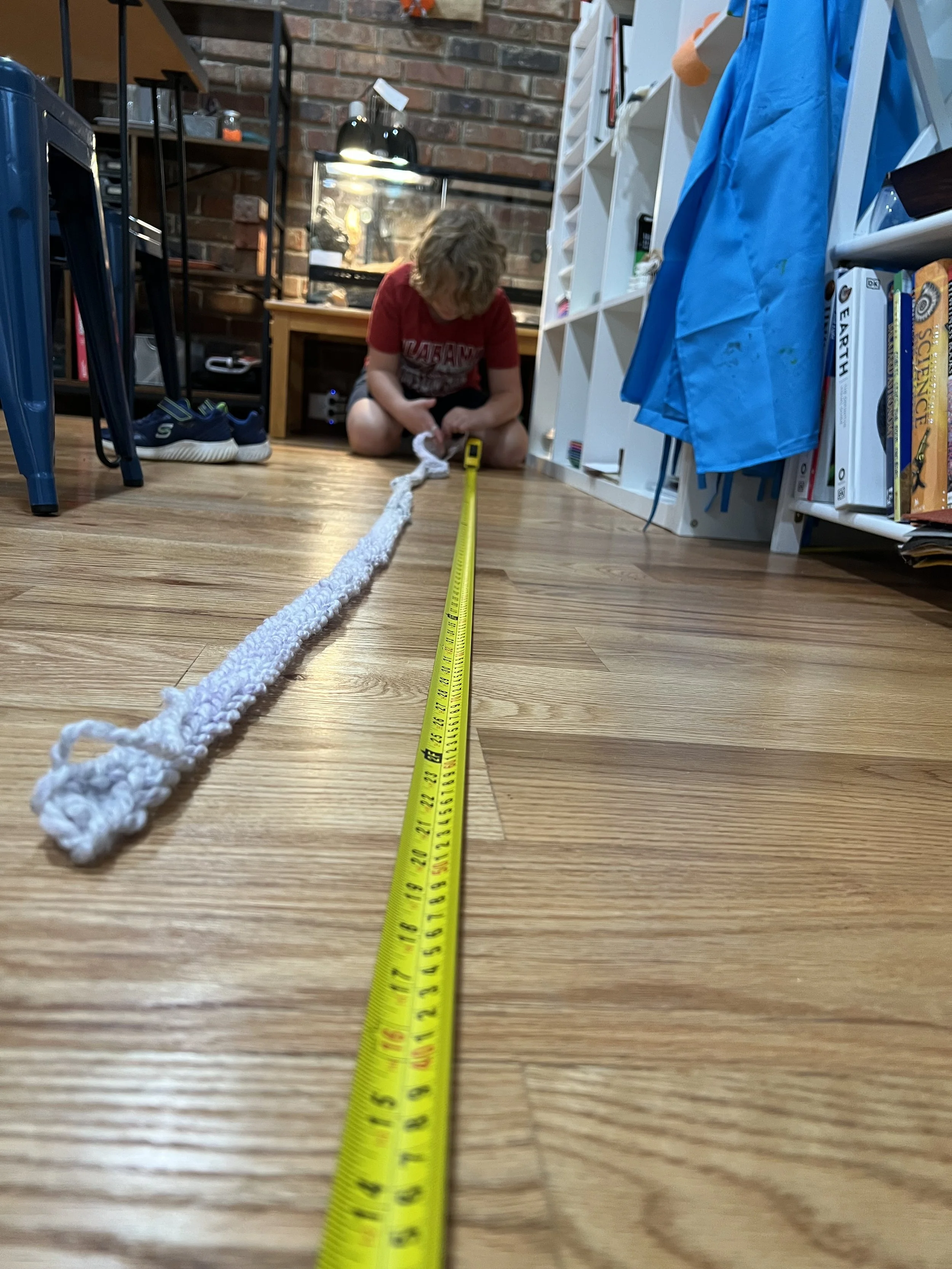
Elementary-aged students at TMFS move into a stage of learning that emphasizes reasoning, abstraction, collaboration, and research.
In this age group, students engage deeply with:
mathematics through hands-on materials that lead to abstract thinking
reading comprehension, writing, and grammar
scientific inquiry and observation
cultural studies, geography, and history
project-based learning and presentations
Recently the children at TMFS began a hydroponic garden, integrating biology, environmental science, measurement, and responsibility for ongoing care. The children also volunteered at FurKids Cat Rescue, learning compassion, responsibility, and community engagement.
Students don’t just absorb information — they use it. They plan, revise, problem-solve, and present their thinking. When children create hand-drawn handouts and presentations for their classmates, they are practicing organization, communication, and mastery of content in ways that deepen understanding and confidence.
The result is learning that sticks because it is meaningful, challenging, and owned by the student.
Ages 12–18: Synthesis, Responsibility, and Real-World Application
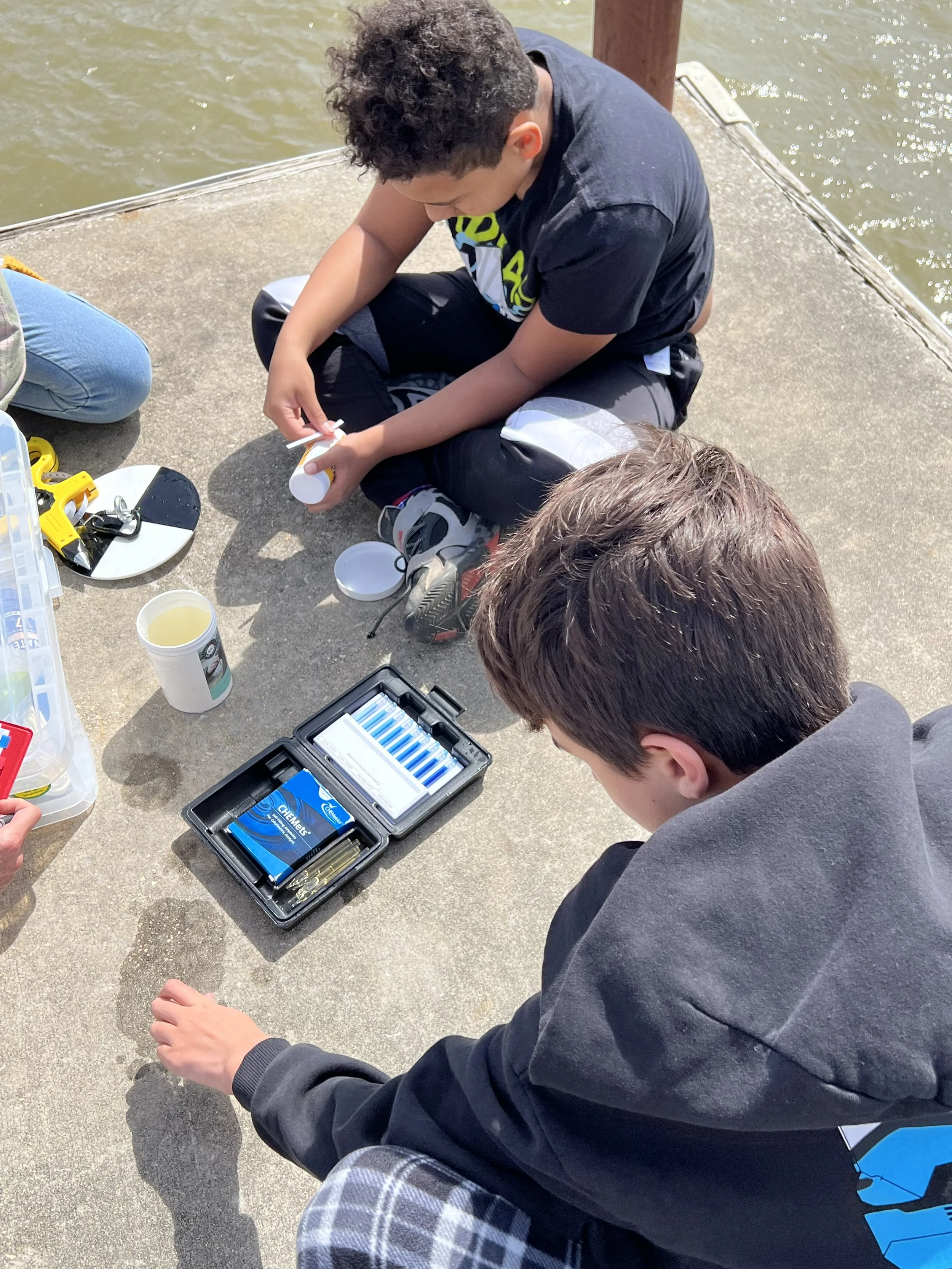
Adolescents at TMFS are capable of remarkable depth when given meaningful responsibility and real challenges.
For students ages 12–18, learning moves beyond individual subjects and into synthesis, leadership, and application. Academic work is paired with real-world experiences that require planning, collaboration, and reflection.
TMFS adolescents have:
attended the First LEGO League Robotics Competition, applying engineering concepts, teamwork, and problem-solving skills in a real-world context.
hosted a coffee house, exploring entrepreneurship, budgeting, marketing, teamwork, and customer experience
engaged in seminars, discussions, and presentations that require critical thinking and articulation of ideas
These experiences are not extracurricular add-ons — they are integral to the academic program. Students learn to manage time, work through challenges, communicate clearly, and reflect on their impact in the world.
Montessori adolescent education prepares students not just for high school or college, but for life — equipping them with confidence, resilience, and a strong sense of purpose.

The Role of the Guide: Intentional, Individualized, Accountable
Across all age levels, Montessori learning at TMFS is guided by trained educators who observe carefully, give precise lessons, and support each student’s individual progress.
Guides do not stand at the front of the room delivering one-size-fits-all instruction. Instead, they:
track each student’s academic growth
introduce lessons at the right moment
hold students accountable for meaningful work
support independence rather than dependence
This individualized approach allows students to move forward with confidence while being appropriately challenged.
Why Montessori Learning “Sticks”
Research and experience show that learning is retained when students are actively engaged, able to self-correct, and given time to repeat and refine their work.
At TMFS, students:
work with their hands and minds together
receive immediate feedback from materials
revisit concepts until mastery is achieved
apply learning across disciplines
take pride in meaningful accomplishments
This combination builds not only academic skill, but also executive function, perseverance, and intrinsic motivation.
Educating the Whole Child — With Purpose
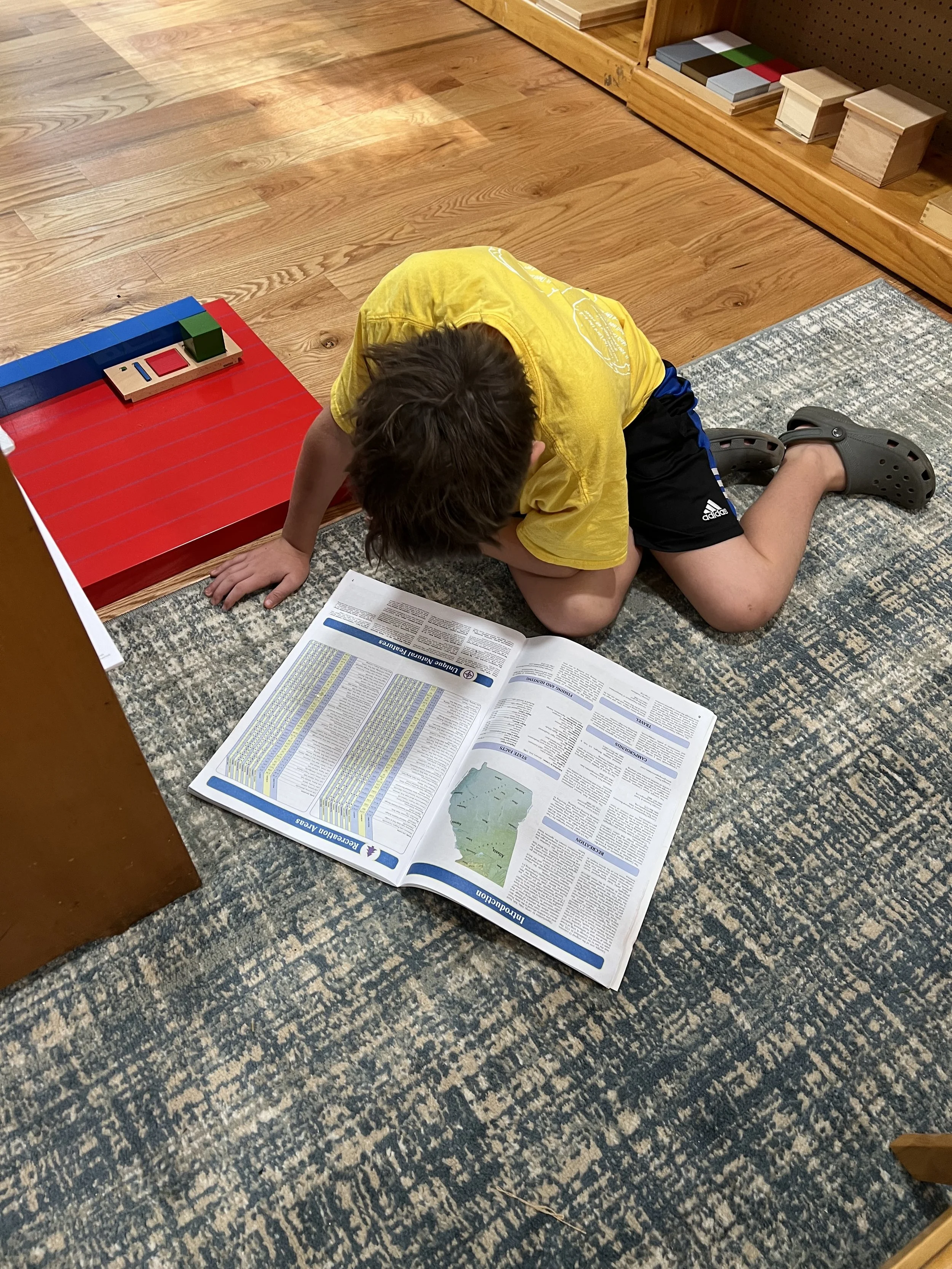
The Mosaic Field School is committed to an education that honors the whole child — intellectually, socially, emotionally, and practically.
From the youngest children learning foundational skills, to elementary students engaging in complex projects, to adolescents applying their learning in the real world, TMFS students are doing work that matters.
This is rigorous, meaningful education — designed not just to prepare students for the next grade, but to prepare them for thoughtful, capable lives.
If you’re interested in learning more about the academic depth and purpose-driven learning at The Mosaic Field School, we invite you to explore our programs or schedule a visit.