
Practical Life & Executive Functioning: How Everyday Tasks Build Strong Minds (Ages 3–18)
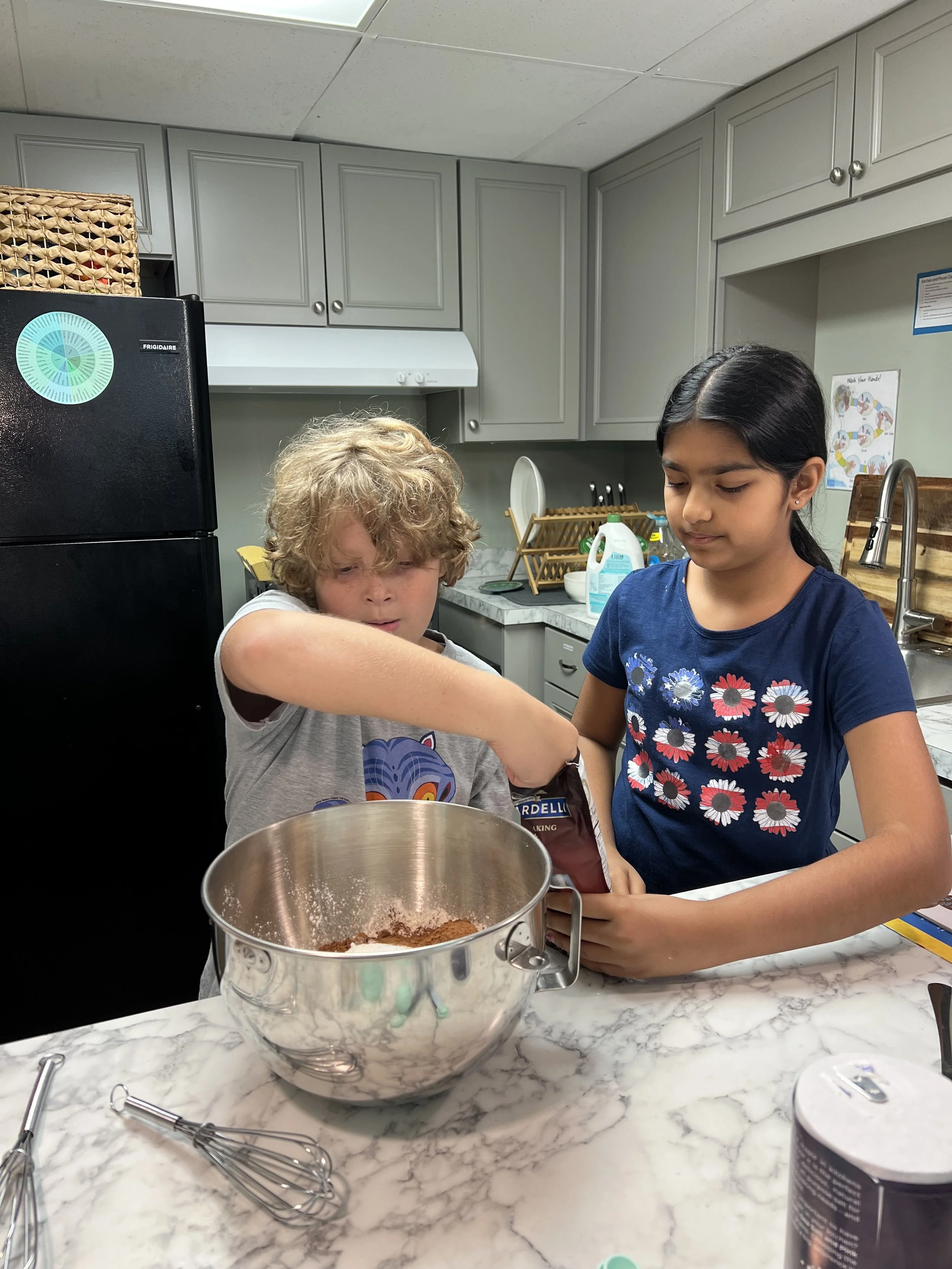
“These “everyday” tasks look simple. But beneath the surface, they are doing something extraordinary…”
The Mosaic Field School — Suwanee, GA
When parents first step into a Montessori environment, they’re often surprised by what they see: young children pouring water with quiet concentration, elementary students planning a "going out," adolescents managing the tools and safety checks for an outdoor project.
These “everyday” tasks look simple. But beneath the surface, they are doing something extraordinary:
They are laying the foundation for executive functioning — the set of mental skills that allow children to focus, plan, follow through, adapt, and solve problems.
At The Mosaic Field School in Suwanee, GA, Practical Life isn’t a single lesson or a corner of the classroom. It’s the heartbeat of how students from ages 3 through 18 grow into confident, capable, self-directed learners.
Why Practical Life Builds the Brain
Dr. Maria Montessori believed deeply in the connection between the hand and the mind:“The child gives us a beautiful lesson – that in order to form and maintain our intelligence, we must use our hands.”
Modern neuroscience agrees. Practical Life activities strengthen the brain systems that support:
Attention & concentration
Working memory
Sequencing & planning
Impulse control
Emotional regulation
Problem-solving
These skills aren’t taught through worksheets — they are developed through purposeful action, real responsibility, and meaningful work.
How Practical Life Looks at Mosaic (Ages 3–18)
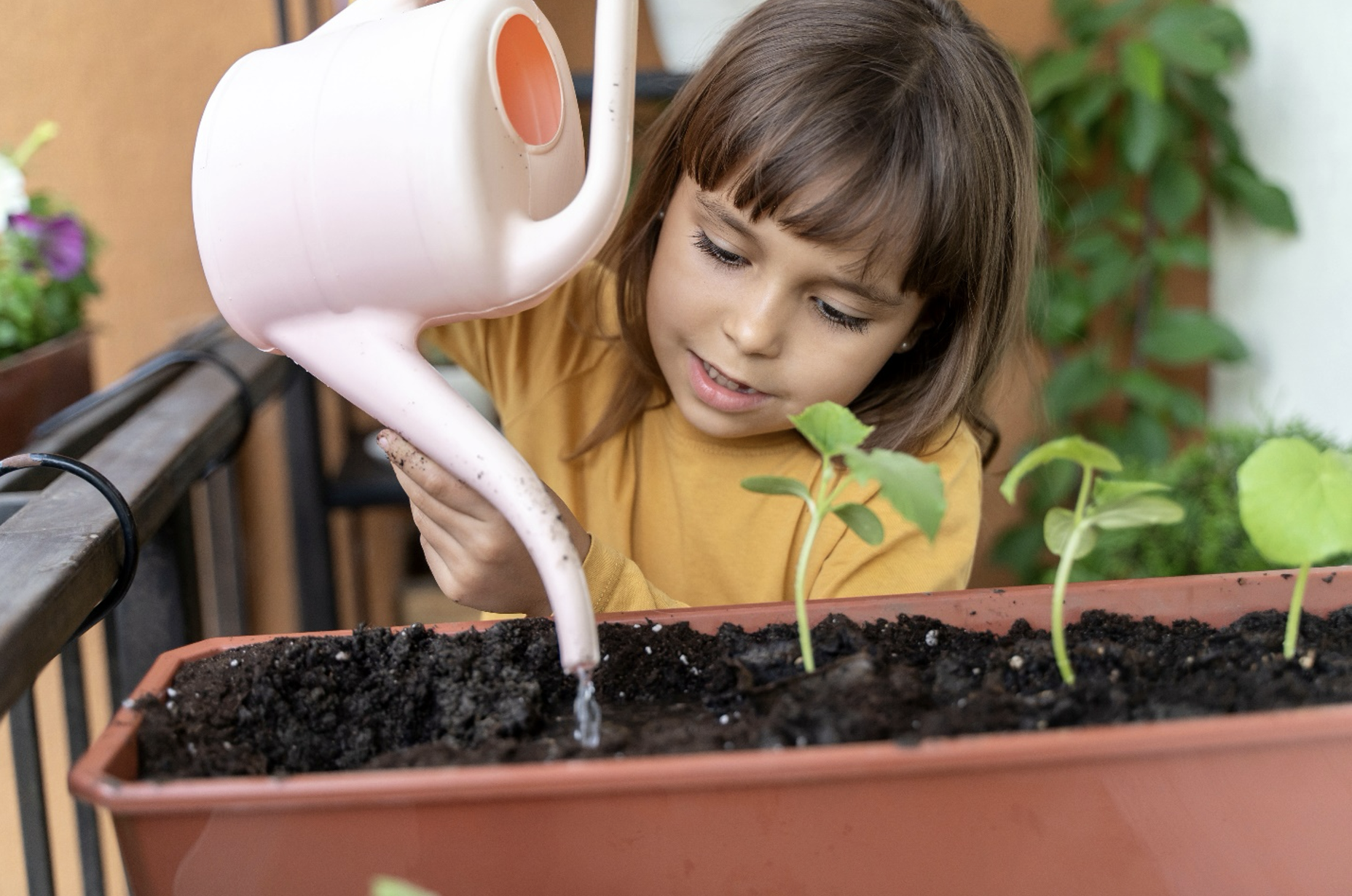
“In the Children’s Garden, Practical Life is everywhere.”
Early Childhood (Ages 3–6)
In the Children’s Garden, Practical Life is everywhere.
Examples at Mosaic
Pouring, spooning, and transferring natural materials during morning work cycles
Sweeping patios, scrubbing tables, watering plants, and caring for the environment
Putting on boots and outdoor gear independently before nature work
Snack preparation, such as slicing bananas or spreading hummus
What this builds
Concentration
Hand-eye coordination
Independence
Grit and perseverance
Emotional regulation (“I can do hard things.”)
These daily routines give young learners a concrete sense of competence — one of the strongest predictors of confidence later in life.
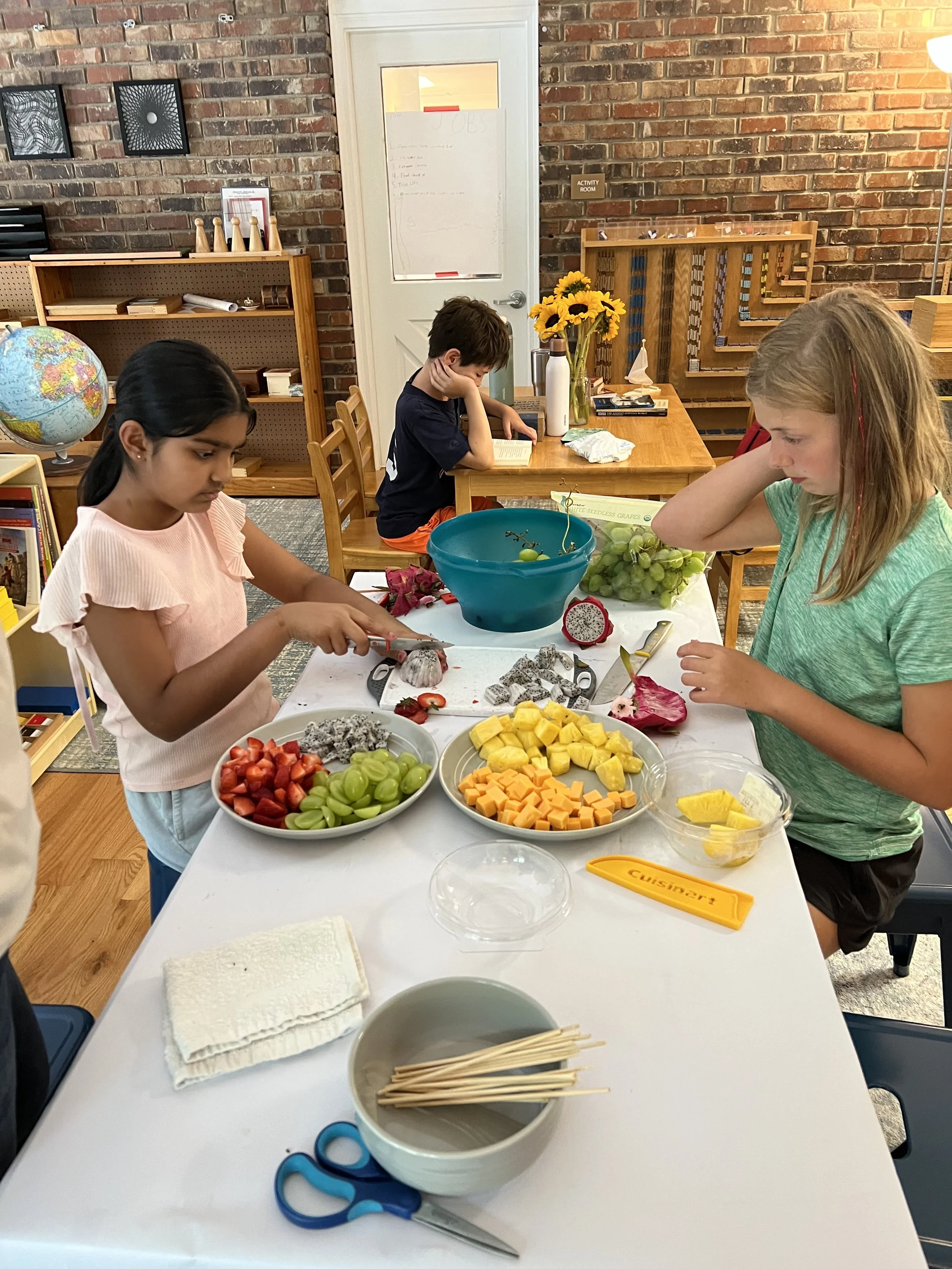
“Their practical work expands their intellect and taps into their curiosity about how different cultures, including their own, meet their fundamental needs.”
Elementary (Ages 6–12)
Elementary children use imagination and reason to explore the world across time and space, an integral part of the Cosmic Curriculum. Their practical work expands their intellect and taps into their curiosity about how different cultures, including their own, meet their fundamental needs.
Examples at Mosaic
Cooking projects connected to cultural or science studies
Stewardship of living things and conservation of nature by caring for animals and plants in the environment
Classroom jobs that keep the learning environment orderly
Planning and executing "Going Outs," day trips beyond the classroom spurred by their curiosity and research needs
Managing individual and group work through conferences with the guide and daily work journals
What this builds
Working memory
Task initiation
Collaboration skills
Long-term project planning
Resilience when ideas fail and need revision
Elementary students begin linking work and responsibility with a growing sense of identity:
“I help my community. I am capable.”
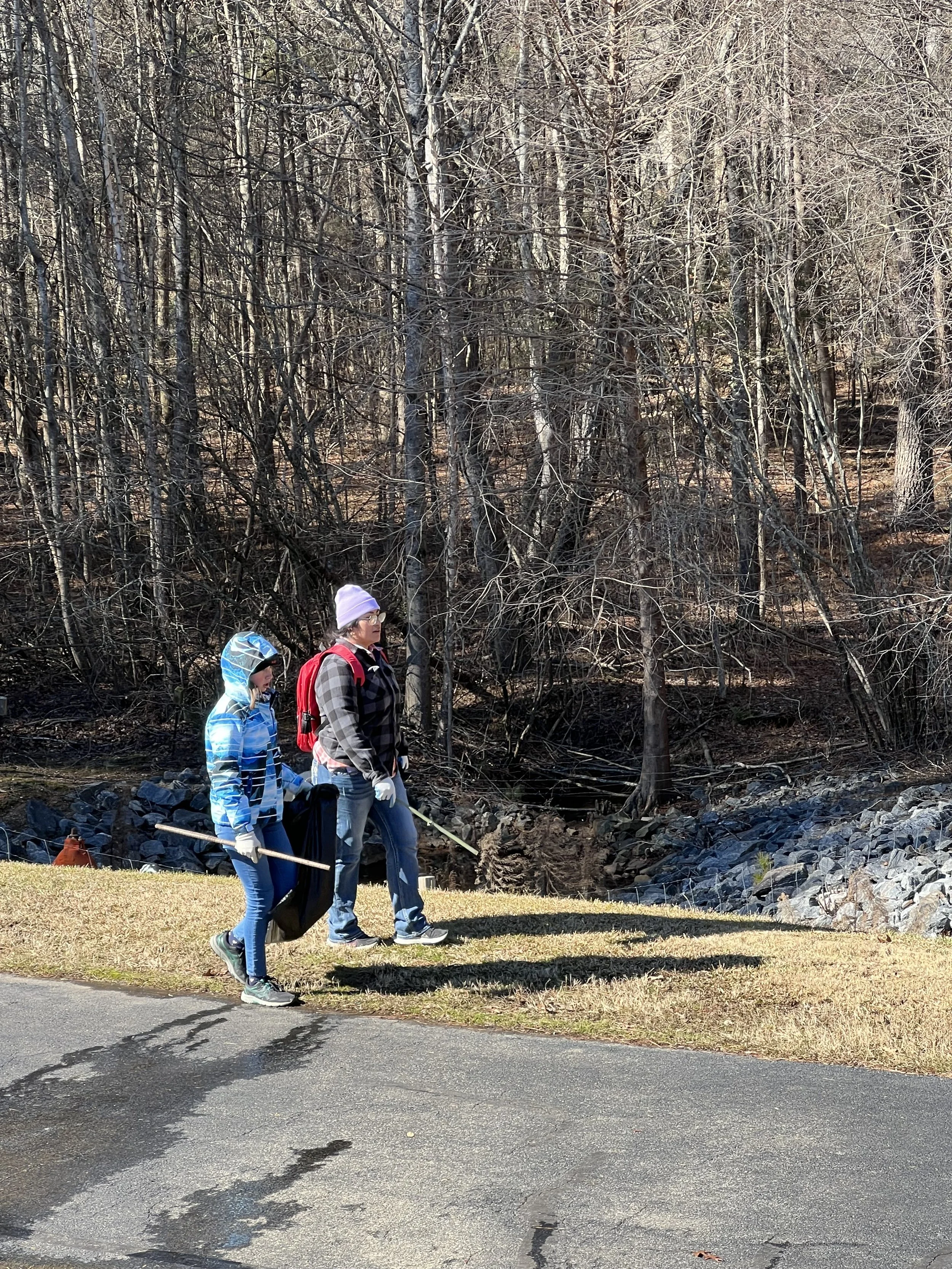
“Teens learn how to manage themselves, their work, and their community — essential preparation for civic engagement, college, careers, and life.”
The Mosaic Adolescent Community (Ages 12–18)
In adolescence, Practical Life includes both “hands-on skills” and life skills, with opportunities for leadership within the school community and beyond.
Examples at Mosaic
Managing production and exchange, including budgeting, division of labor, and a sense of the ethics inherent in the local and global economies
Preparing full meals for the group by planning menus, grocery shopping, cooking, and setting a beautiful table to share with friends and guests
Outdoor expeditions, which require intense planning, responsibility, teamwork, and risk-awareness
Building, repairing, and environmental design projects to add to and care for their farm environment, what Maria Montessori called their "Country Home"
Peer leadership roles, such as conflict resolution circles or event planning
Seminars and community discussions, which build executive skills like perspective-taking and self-regulation
What this builds
Forward planning
Time management
Adaptability
Leadership and accountability
Executive functioning for adulthood
Teens learn how to manage themselves, their work, and their community — essential preparation for civic engagement, college, careers, and life.
Executive Functioning Is Not a Lesson — It’s a Lifestyle
One thing families often notice at The Mosaic Field School is how seamlessly Practical Life is woven into each day.
Instead of teaching executive functioning in isolation (“Here’s a planning worksheet…”), students develop it by living it:
Following morning routines
Preparing materials
Transitioning between outdoor work and indoor lessons
Managing projectsCaring for animals and the environment
Collaborating with peers
Reflecting on plans and outcomes
Revising work when things don’t go as expected
This is why Montessori education is such a powerful approach: it gives children the chance to do real work that matters, which naturally strengthens the mind.
Why It Matters for Today’s Children
In a fast-paced world—especially in a growing community like Suwanee, GA—children need more than academics. They need:
Focus
Adaptability
Confidence
Self-regulation
Intrinsic motivation
The ability to solve real problems
Practical Life gives them the space to develop these skills authentically, joyfully, and at their own developmental pace.
At TMFS, Practical Life Isn’t Extra — It’s Essential
From the tiniest hands pouring water to the oldest students managing complex projects, Practical Life is the thread that connects every level at The Mosaic Field School.
It builds:
Confidence
Competence
Community
A strong, integrated mind