
From Suwanee to the Florida Keys: How Place-Based Learning Shapes Adolescents
Adolescence is a bridge between childhood and adulthood, a time when young people are asking big questions: Who am I? Where do I belong? What kind of person do I want to become? At The Mosaic Field School, we believe these questions are best explored not only in classrooms, but in real places that ask something of them.
From daily life in Suwanee, GA to extended journeys like our expedition to the Florida Keys, place-based learning offers our adolescents something they cannot get from textbooks alone: the chance to test themselves, serve others, and experience their impact on the wider world.
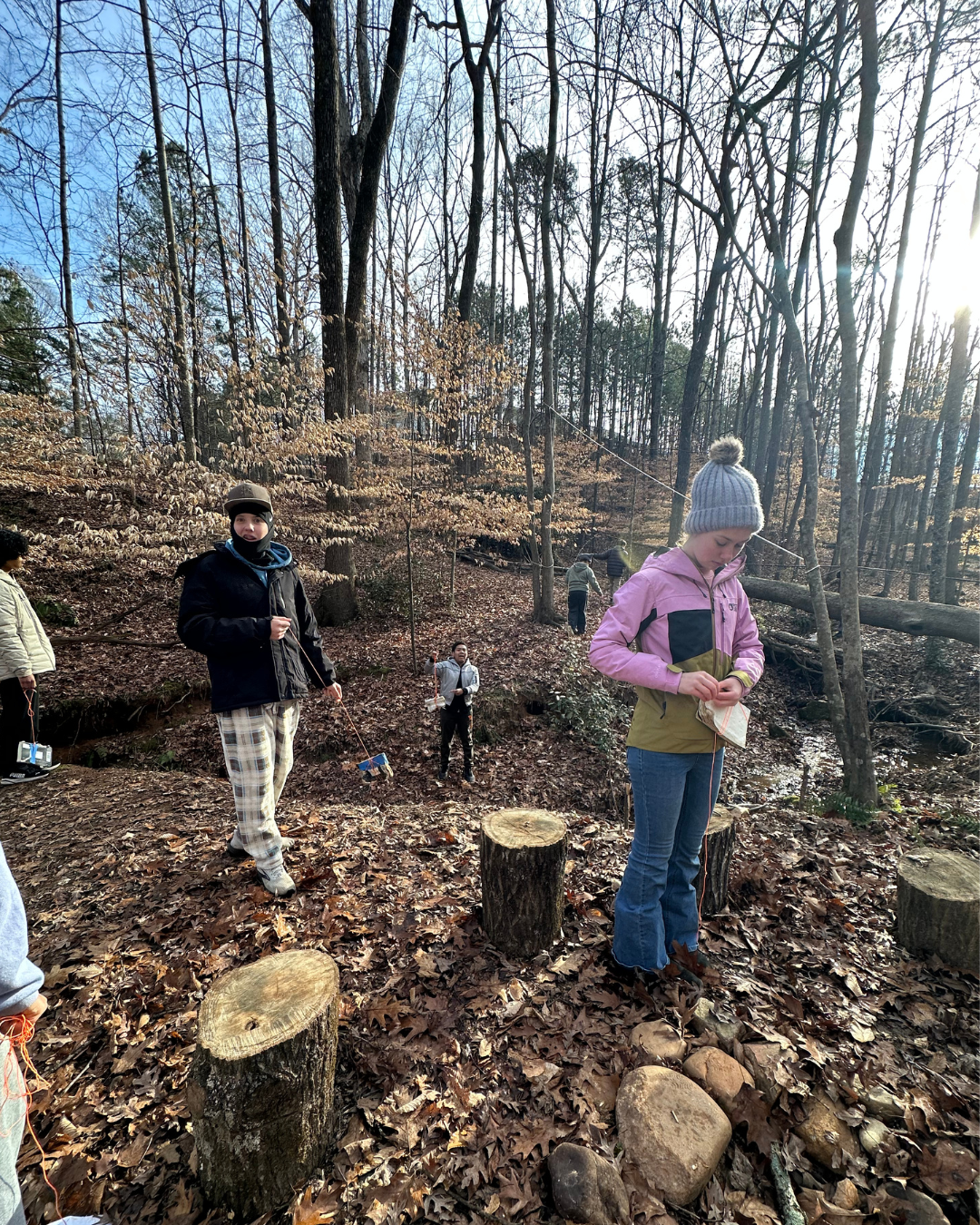
“Suwanee is not just where school is located; it is their first laboratory. They study local ecosystems, map trails, notice patterns in weather and wildlife, and pay attention to how people use land and resources.”
The Mosaic Adolescent Community enjoys a large campus in Suwanee, Georgia with a lovely creek. The teens here are participating in a “Wreck This Journal” activity on their campus.
Starting with Home: Adolescents in Suwanee
For Mosaic adolescents, place-based learning starts close to home. Suwanee is not just where school is located; it is their first laboratory. They study local ecosystems, map trails, notice patterns in weather and wildlife, and pay attention to how people use land and resources.
As they work on local projects, such as monitoring a stream, caring for a shared garden, or participating in community initiatives, they begin to see themselves as part of a living system. They learn that their choices affect the health of their community and that they have something real to contribute.
Extending the Classroom: Traveling to the Florida Keys
From this grounded sense of home, our adolescents are ready to step into more distant environments. A powerful example is our trip from Suwanee to the Florida Keys, where students immersed themselves in marine ecosystems, conservation work, and daily life far from their familiar routines.
In the Keys and along Florida’s rivers and springs, adolescents:
Snorkel above coral reefs, seeing biodiversity face-to-face rather than on a screen.
Participate in restoration and conservation efforts, understanding firsthand the fragility and resilience of natural systems.
Collect data, observe patterns, and discuss the human impact on oceans, rivers, and coastal communities.
The journey is not a vacation; it is an intensive field study. Every site visit, every conversation with experts, every journal entry deepens their understanding of science, ethics, and their own place in the world.
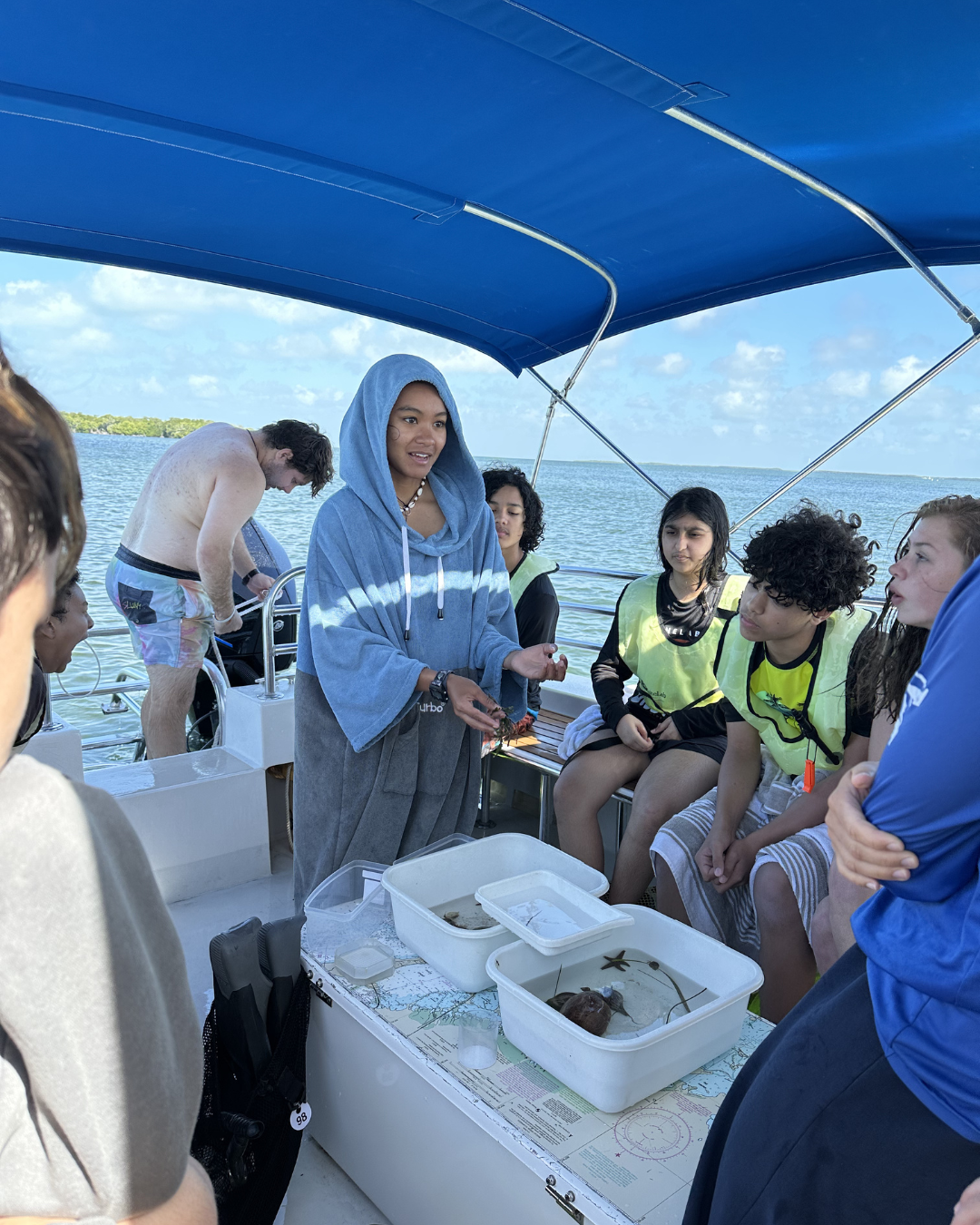
“A powerful example is our trip from Suwanee to the Florida Keys, where students immersed themselves in marine ecosystems, conservation work, and daily life far from their familiar routines.”
Learning to Navigate Real-World Challenges
Traveling from Suwanee to the Florida Keys also stretches adolescents in personal and practical ways. They are responsible for gear, group tasks, and their own attitudes. They navigate long days, changing plans, and the unpredictability of weather.
Place-based experiences like this ask adolescents to:
Solve real logistical problems, not just hypothetical ones.
Communicate clearly with peers and adults in unfamiliar settings.
Adapt when conditions shift—on the water, on the trail, or at a campsite.
These challenges reveal strengths that often remain hidden in traditional classrooms. Adolescents discover that they can handle more than they thought, that they are needed by their community, and that their choices matter in concrete ways.
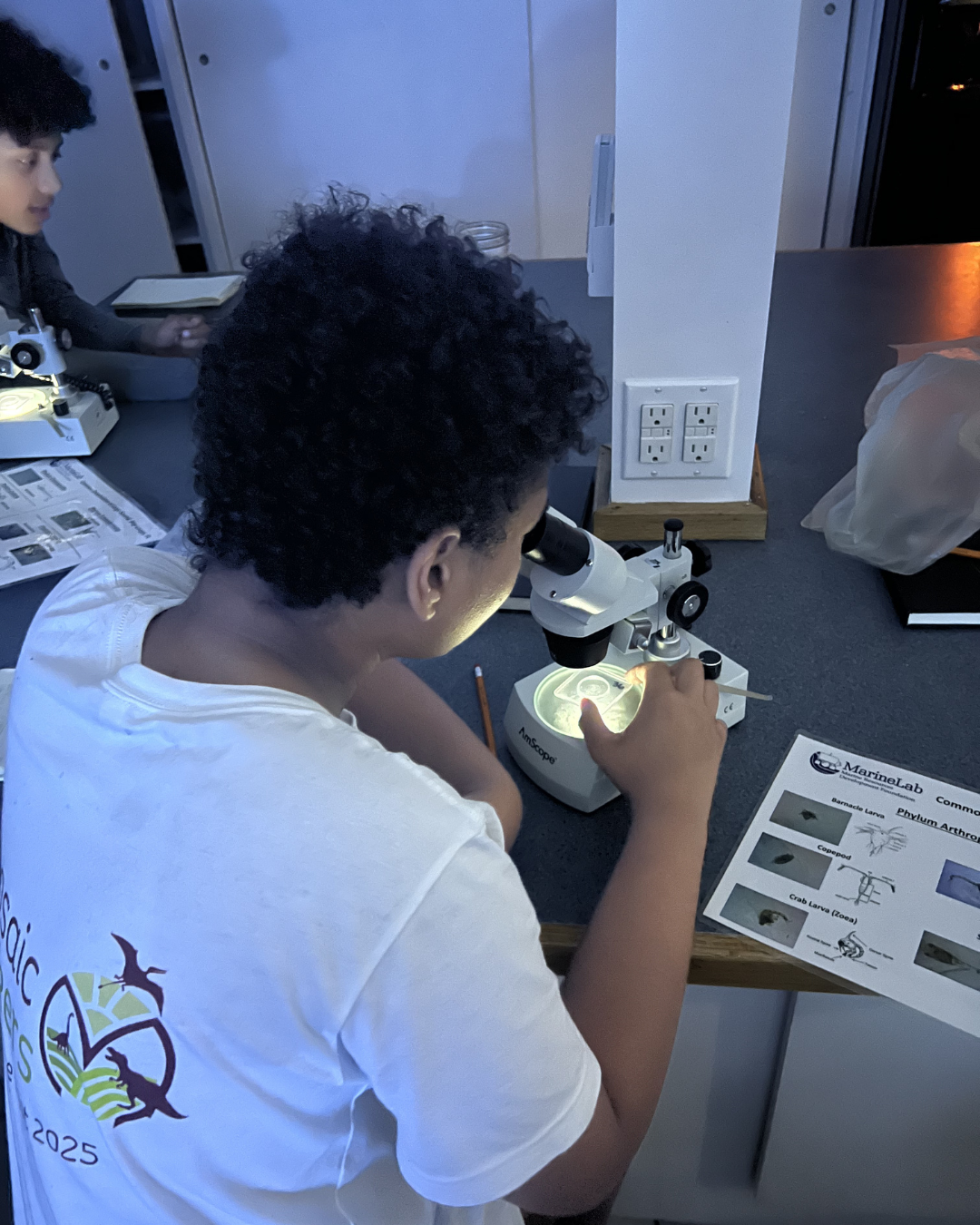
“One of the most powerful outcomes of place-based learning is that students begin to see connections. When adolescents move from a creek in Suwanee to a coral reef in the Florida Keys, they realize that water systems, weather patterns, and human decisions are all intertwined.”
An adolescent studies specimens through a microscope in the STEM -filled time at the marine lab in the Florida Keys.
Seeing Connections Between Places
One of the most powerful outcomes of place-based learning is that students begin to see connections. When adolescents move from a creek in Suwanee to a coral reef in the Florida Keys, they realize that water systems, weather patterns, and human decisions are all intertwined.
They see that:
What happens upstream affects what happens downstream.
Local choices in one town can impact ecosystems hundreds of miles away.
Their home and distant places are part of the same larger story.
This kind of understanding is essential for the world they are inheriting. It moves them beyond “us versus them” thinking and into a sense of shared responsibility.
Formation, Not Just Information
At The Mosaic Field School, we talk about the difference between information and formation. Information can be delivered anywhere; formation requires real experiences in real places.
From Suwanee’s woods and greenways to the waters of the Florida Keys, our adolescents are not just gathering facts; they are becoming people who pay attention, who serve, who reflect, and who act with integrity in complex situations.
Place-based learning shapes them by:
Giving them real work that matters.
Inviting them into meaningful risk and responsibility.
Helping them locate themselves within a bigger story- ecological, social, and personal.
Why Place Matters for Adolescents at Mosaic
Adolescents do not want to merely prepare for life; they want to begin living it. When school asks them to step into the world with purpose—to study it, serve it, and learn from it—they feel respected and needed.
From Suwanee to the Florida Keys and beyond, The Mosaic Field School uses place-based learning to help adolescents answer the questions at the heart of this stage of life: Who am I? Where do I belong? What kind of person do I want to become?
In every place they go, the answer becomes a little clearer, not because someone tells them, but because they have lived it.